Picture this: you’re a new parent, sleep-deprived and overwhelmed, trying to figure out the best way to nourish your little one. It’s a challenging time, and having the right tools can make all the difference. That’s where the tommee tippee breast feeding kit comes in. This guide will help you select the appropriate items, explain how to use them, and give you confidence in your breast feeding experience. We’ll explore the advantages of using this kit and how it can simplify your life. You’ll gain a solid grasp of how to use the kit efficiently and what you need to breastfeed your baby comfortably. By the end, you’ll feel prepared and equipped for your breast feeding adventure.
Key Takeaways
- The tommee tippee breast feeding kit provides essential tools for successful breastfeeding.
- Learn how to use breast pumps and storage solutions effectively.
- Understand how to clean and sterilize your equipment safely.
- Discover strategies for managing breast milk and maintaining supply.
- Find solutions for common breast feeding challenges.
- Explore different products and models for your specific needs.
Getting Started with Your Tommee Tippee Breast Feeding Kit
The first few weeks with a newborn can be a whirlwind of feeds, diaper changes, and sleepless nights. The tommee tippee breast feeding kit is designed to provide you with the essential equipment you need, removing some of the stress and making breast feeding easier. It offers a selection of items, from breast pumps to bottles and storage containers, all aimed at helping you on your breast feeding adventure. Before we get into the specifics, it’s important to recognize that every breast feeding experience is unique. What works for one person might not work for another. This guide aims to provide a useful starting point, empowering you to adjust the kit’s components to match your individual needs and preferences. With some planning and the correct tools, you can establish a satisfying breast feeding pattern.
What’s Typically Included
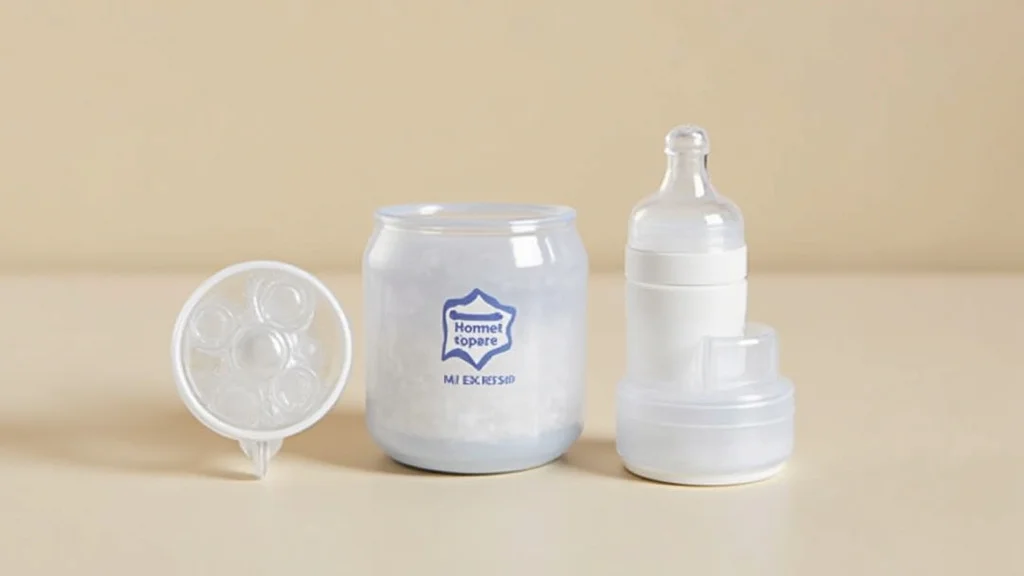
A typical tommee tippee breast feeding kit may vary slightly depending on the specific model, but generally includes a breast pump, either manual or electric, bottles, nipples, milk storage containers, and other useful accessories. The breast pump is the cornerstone, allowing you to extract milk to feed your baby. Bottles and nipples are designed to work together, simulating a natural latch. Storage containers are ideal for safely storing your milk. Additional accessories, such as breast pads and a bottle brush, further improve the experience, making the process more smooth. Each component plays an important role, helping you stay prepared.
- Breast Pump: The main item for extracting milk. Tommee Tippee offers both manual and electric breast pumps. Manual pumps are great for occasional use, while electric pumps are perfect for frequent pumping.
- Bottles and Nipples: These items are designed to make the transition between breast and bottle as smooth as possible. Tommee Tippee bottles often include features like anti-colic valves.
- Milk Storage Containers: These are crucial for storing milk safely, either in the fridge or freezer. They are typically leak-proof and BPA-free.
- Additional Accessories: The kit often comes with a variety of accessories, like breast pads, a bottle brush for cleaning, and potentially a sterilizer.
Choosing the Right Pump
Deciding between a manual and electric breast pump depends on your lifestyle and breast feeding goals. Manual pumps are usually smaller, less costly, and good for occasional use. They are quiet and don’t require electricity, perfect for travel. Electric pumps provide more control over suction and speed and can pump both breasts at once. Electric pumps are typically better for frequent pumping, especially if you’re returning to work. Consider how often you expect to pump, your budget, and how portable you require your pump to be. Research different models and read reviews to ensure you make the right choice to support your breast feeding goals.
- Manual Breast Pumps: These are hand-operated and less expensive.
- Electric Breast Pumps: These offer convenience and efficiency.
- Single vs. Double Pumps: Double pumps pump both breasts simultaneously, saving time.
- Features to Look For: Consider comfort, suction control, and portability when choosing a pump.
- Pump Size and Design: Ensuring a good fit is important for comfort and proper milk extraction.
Setting Up Your Kit
Once you’ve chosen your kit, setting it up is important. First, carefully read the user guide that comes with your pump and accessories. Familiarize yourself with each part and how they connect. Sterilize all components before the initial use, and follow the instructions for sterilizing after each use. Wash your hands thoroughly before handling any equipment. Set up a designated area for preparing and storing your breast milk, away from contaminants. By following the directions and establishing a routine, you can make the most of your tommee tippee breast feeding kit and create a safe environment.
Using Your Tommee Tippee Breast Feeding Kit Effectively
Knowing how to use the equipment correctly is key to making the most of your tommee tippee breast feeding kit. This covers everything from properly assembling your breast pump to storing breast milk safely. Each piece of equipment is designed with features to simplify the breast feeding experience. Understanding these aspects will help you stay comfortable, avoid complications, and maximize your milk output. By following the tips in this section, you’ll be well-prepared to use your kit successfully.
Pumping Your Milk
Start by finding a comfortable and relaxing spot. Sit upright and position the breast shield correctly on your breast. If you’re using an electric pump, experiment with the different suction levels to find what works best. If you’re using a manual pump, squeeze the handle at a consistent rate. Aim for a pace that is comfortable and effective. Pumping can take anywhere from 15 to 30 minutes. Keep in mind that milk output varies. Don’t be discouraged if you don’t get much milk at first. After pumping, carefully disassemble and clean your pump. With practice, you will understand your body and pumping experience.
- Positioning: Sit comfortably, supporting your back.
- Breast Shield Fit: Ensure the breast shield fits correctly.
- Suction Levels: Adjust the settings to match your comfort and milk flow.
- Pumping Duration: Pump for the recommended time to avoid overstimulation.
- Relaxation Techniques: Practice relaxation techniques to help milk flow.
Bottle Feeding Your Baby
When bottle-feeding, hold your baby close and in a comfortable position, just as you would when breast feeding. Tilt the bottle to keep the nipple filled with milk, which will help prevent your baby from swallowing air. Watch for cues to show that your baby is full, such as turning their head away, closing their mouth, or seeming uninterested in feeding. Never prop the bottle, as this can lead to choking hazards. After the feeding, burp your baby to help release any trapped air. With patience and care, bottle feeding can become a bonding moment.
- Proper Bottle Angle: Keep the nipple full of milk to prevent air intake.
- Pacing: Feed slowly to match the flow.
- Positioning: Hold your baby close, mirroring the breast feeding experience.
- Recognizing Fullness: Watch for signs that your baby is finished.
- Burping: Burp your baby after feeding.
Storing and Handling Breast Milk
Proper storage is essential to maintain milk quality and protect your baby’s health. Store breast milk in sterilized containers, such as the bottles or storage bags provided in the tommee tippee breast feeding kit. Label each container with the date and time of pumping. Freshly expressed breast milk can be stored at room temperature for up to four hours, in the refrigerator for up to four days, and in the freezer for up to six months. If you freeze your milk, be aware that the milk will expand, so do not overfill the containers. Always thaw frozen milk in the refrigerator or by running the container under warm water. Never refreeze thawed milk.
- Storage Guidelines: Follow storage guidelines for safe milk storage.
- Labeling: Always label containers with the date.
- Thawing: Thaw milk in the fridge or under warm water.
- Warming Milk: Use warm water or a bottle warmer.
- Discarding Leftovers: Discard any milk your baby doesn’t finish within one or two hours.
Cleaning and Sterilizing Your Breast Feeding Kit
Keeping your tommee tippee breast feeding kit clean and sterile is important for your baby’s health and well-being. This stops bacteria and viruses from spreading to your baby. Washing and sterilizing your equipment after each use is vital. This section describes the best approaches and practices to maintain clean and sanitized breast feeding supplies. By incorporating these steps into your routine, you can ensure a safer and more hygienic breast feeding experience for both you and your baby.
Cleaning Your Equipment
After each use, take the components of your breast pump and bottles apart and wash them thoroughly. Rinse all parts in warm, soapy water. Use a bottle brush to scrub bottles, nipples, and other accessories to get rid of any milk residue. Make sure to get into all the nooks and crannies of the pump parts to remove any milk. Rinse all items well to get rid of any soap. Allow them to air dry on a clean surface or use a clean towel. Proper cleaning stops the build-up of bacteria and residue, which can cause illness.
- Disassembly: Take apart all pump and bottle components.
- Washing: Wash all parts in warm, soapy water.
- Bottle Brush: Use a bottle brush for thorough cleaning.
- Rinsing: Rinse all parts well.
- Air Drying: Allow components to air dry completely.
Sterilizing Your Equipment
Sterilizing your equipment kills any remaining germs. You can sterilize your breast feeding kit components using a few methods. The most straightforward is to use a microwave sterilizer or a steam sterilizer. Follow the guidelines included with your sterilizer. Alternatively, you can boil the parts in a pot of water for a few minutes. Make sure all items are fully submerged. Sterilization should be done once a day or as recommended by the manufacturer. Sterilizing guarantees that your supplies are bacteria-free and ready for use, promoting a clean environment for your baby.
- Microwave Sterilizers: These are easy to use and quick.
- Steam Sterilizers: Steam sterilizers provide a thorough clean.
- Boiling: Boil parts in water for a set amount of time.
- Frequency: Sterilize at least once daily or as recommended.
- Safety Measures: Always use tongs to handle hot items.
Maintenance and Replacement
Like any equipment, your tommee tippee breast feeding kit components will wear down over time. Inspect your items regularly for any damage, like cracks or tears. Replace any damaged parts immediately. The breast pump parts, especially valves and membranes, need to be replaced periodically. Keep an eye on any tubing or hoses, replacing them if they show any signs of deterioration. Following these maintenance guidelines ensures your equipment performs effectively and safely.
Addressing Common Breast Feeding Challenges
Breast feeding may not always be simple, and it’s normal to encounter problems. The good news is, there are solutions to help you overcome these challenges. From sore nipples to low milk supply, this section provides solutions. Remember that asking for help from lactation specialists is helpful. With patience, understanding, and the right methods, you can manage common challenges and continue your breast feeding adventure.
Sore Nipples
Sore nipples are a frequent concern, especially during the first few weeks of breast feeding. The most common cause is an improper latch. Make sure your baby is latching deeply, including your nipple and a good portion of the areola. Apply a lanolin cream after each feed to moisturize the skin. Breast pads can also offer relief and absorb any leaks. If the pain continues, seek help from a lactation consultant or health professional. Addressing sore nipples immediately can prevent more serious problems.
- Proper Latch: Ensure your baby latches correctly.
- Lanolin Cream: Apply lanolin cream after feeds.
- Breast Pads: Use breast pads to absorb moisture.
- Seek Advice: Consult a lactation consultant if pain persists.
- Rest and Healing: Take breaks to let your nipples heal.
Low Milk Supply
If you’re worried about not producing enough milk, there are steps you can take to improve your supply. Frequent breast feeding or pumping is essential, as this signals your body to make more milk. Make sure you are drinking enough fluids and eating a healthy, balanced diet. Certain foods, such as oatmeal, can improve milk production, and you may consider consulting your doctor about supplements. Stress can also affect milk supply, so try to manage stress levels. Contact a health professional if your supply remains low, as there might be underlying medical issues.
- Frequent Feeding: Feed or pump often to boost supply.
- Hydration and Nutrition: Drink plenty of fluids and eat a balanced diet.
- Galactagogues: Consider foods or supplements that improve milk production.
- Stress Management: Reduce stress levels.
- Professional Help: Consult with your doctor or a lactation consultant.
Engorgement and Mastitis
Engorgement, or breast fullness, can cause pain and difficulty feeding. Feed your baby frequently and completely to relieve engorgement. A warm compress before feeding and a cold compress after can help with discomfort. Mastitis, an infection of the breast tissue, can cause flu-like symptoms, fever, and redness. If you suspect mastitis, see a doctor right away, as it typically requires antibiotics. Continuing to breast feed is usually safe and may actually help clear the infection.
- Frequent Feeding: Nurse frequently to relieve engorgement.
- Warm and Cold Compresses: Use warm and cold compresses.
- Massage: Gently massage the breasts to relieve blockages.
- Monitor for Mastitis: Watch for signs like fever and redness.
- Seek Medical Attention: Get medical care immediately for mastitis.
Maximizing Your Tommee Tippee Breast Feeding Kit
You can optimize your breast feeding experience by using the right products, using the kit to its full potential, and adapting to your baby’s needs. This section dives into selecting the most suitable products from the tommee tippee breast feeding kit and making the most of all features. By understanding how to combine the kit’s equipment with your individual routines, you can improve your comfort and success during breast feeding.
Selecting the Right Products
Tommee Tippee offers a range of products within its breast feeding kit, each with different features. For example, choose bottles that feature an anti-colic design if your baby experiences gas. Pick a breast pump that suits your lifestyle. If you’re often on the move, consider a manual pump or a compact electric pump. If you plan to pump frequently, a double electric pump may save time. Carefully review the features and benefits of each product to choose the best ones.
- Anti-Colic Bottles: Consider these bottles for gassy babies.
- Breast Pump Type: Choose the pump based on your needs.
- Storage Options: Find storage containers suitable for your needs.
- Nipple Flow: Adjust nipple flow as your baby grows.
- Accessories: Use breast pads and other accessories for comfort.
Making the Most of Your Kit
Getting the most out of your tommee tippee breast feeding kit involves more than just owning the products. It means learning how to use them effectively and integrating them into your daily schedule. For example, establish a routine for pumping and storing milk to ensure a steady supply for your baby. Always carry your breast pump, bottles, and storage containers when you’re traveling. By incorporating the components of your kit into your life, you can handle your breast feeding routine easily, allowing you to focus on your baby.
- Establish a Routine: Maintain a regular pumping and feeding schedule.
- Be Prepared: Keep your kit ready for use at all times.
- Experiment: Try different settings and techniques to find what works best.
- Combine Strategies: Use the kit in tandem with other breast feeding methods.
- Stay Flexible: Adjust your strategy as your baby grows.
Adapting to Your Baby’s Needs
Each baby is different, and their feeding needs will change over time. Adjusting to your baby’s evolving needs is key to a smooth breast feeding experience. Some babies have preferences for bottle flow, nipple shape, or pumping patterns. If your baby suddenly starts rejecting bottles, experiment with different nipples or feeding methods. Be mindful of your baby’s signals and alter your approach appropriately. The ability to modify your breast feeding routine to fit your baby’s needs will improve your comfort.
- Monitor Baby’s Preferences: Pay attention to your baby’s cues.
- Experiment with Settings: Adjust bottle flow and pump settings.
- Be Patient: Give your baby time to adjust.
- Seek Professional Advice: Consult a professional for help if needed.
- Stay Positive: Approach breast feeding with flexibility.
Common Myths Debunked
Myth 1: Breast feeding is always easy.
Reality: Breast feeding may have its challenges, particularly in the initial weeks. It takes time for both mother and baby to adjust, and it might require help from specialists. Sore nipples, latch difficulties, and low milk supply are common issues. It’s important to remember that it’s okay to ask for help from lactation consultants or other specialists.
Myth 2: You must breast feed exclusively to give your baby the greatest benefits.
Reality: While exclusive breast feeding is recommended, any amount of breast milk can benefit your baby. Even combining breast feeding with formula feeding can provide vital immune protection and nutrition. The most important thing is to make the best choice for you and your baby.
Myth 3: Pumping is just as good as breast feeding directly.
Reality: Breast feeding directly offers unique benefits, like skin-to-skin contact, which boosts bonding and also enables your body to adjust milk supply more efficiently. Pumping is helpful when a mother is unable to breast feed. Both methods have their advantages, so selecting the best approach for you and your baby is vital.
Myth 4: If your breasts don’t feel full, you aren’t producing enough milk.
Reality: The feeling of fullness reduces as your milk supply becomes established. Your body gets better at making milk as your baby needs it. Breast feeding on demand is often enough to support milk production. Focus on your baby’s cues of hunger and satiety.
Myth 5: You should not breast feed while using medication.
Reality: Many medications are safe to use while breast feeding. Speak with your doctor or pharmacist about any medicines you take. Most medications are compatible with breast feeding, and there are resources to help you locate this information, so you can safely breast feed while being treated.
Frequently Asked Questions
Question: How often should I sterilize my breast feeding kit items?
Answer: Sterilize your bottles and pump parts after each use to ensure your baby’s safety.
Question: How do I know if the breast shield on my pump fits properly?
Answer: The nipple should move easily within the shield tunnel without rubbing, and the areola should be drawn in comfortably.
Question: How long can I store breast milk?
Answer: Fresh breast milk can be stored at room temperature for up to 4 hours, in the refrigerator for up to 4 days, and in the freezer for up to 6 months.
Question: Is it okay to use a bottle warmer?
Answer: Yes, a bottle warmer can warm your milk safely and evenly. You can also warm milk under warm running water.
Question: What if my baby refuses to take a bottle?
Answer: Try different nipple shapes, pacing the feeding, or have someone else offer the bottle. Patience is key.
Final Thoughts
Equipping yourself with the tommee tippee breast feeding kit is a helpful step in preparing for the journey of breast feeding. This kit offers the tools and components to make the experience easier and more efficient. However, keep in mind that breast feeding is a personal experience. Don’t worry about trying to create the “perfect” plan. The key is to be flexible and adaptable, paying close attention to your own and your baby’s individual needs. Consider consulting with lactation specialists, reading resources, and connecting with other mothers to gather information and help. Embrace the experience and take each day as it comes.