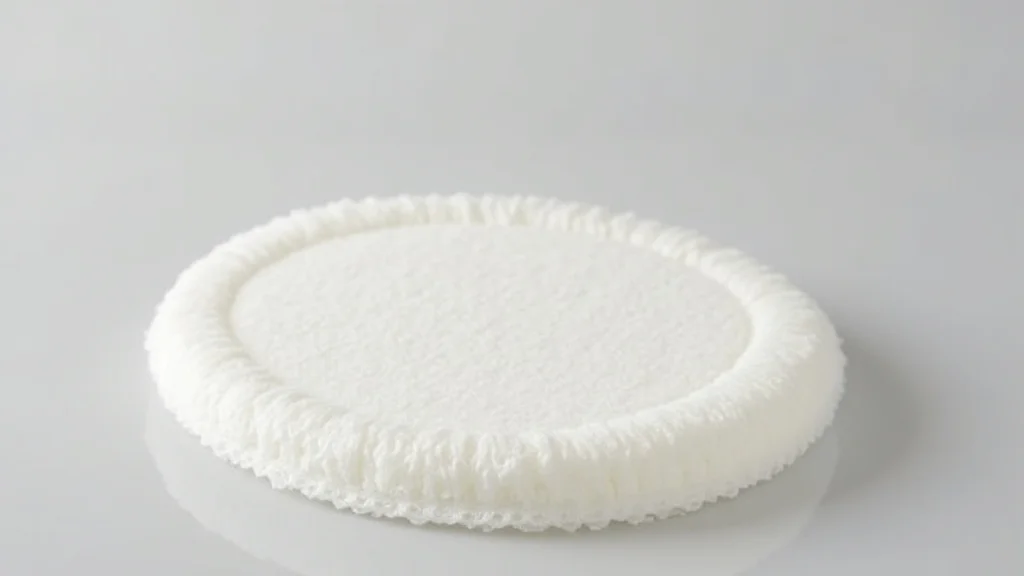
Picture this: It’s 3 AM, your little one is finally asleep after a feed, and you’re left with sore nipples. Breastfeeding is a beautiful journey, but it can be challenging. Luckily, products like the Kendall hydrogel breast feeding pad can offer much needed relief. This guide will explore the ins and outs of these pads, helping you discover their benefits and how to use them effectively. You’ll gain valuable insights into managing common breastfeeding challenges. Get ready to learn how to soothe discomfort and ensure a comfortable experience for both you and your baby. This post will improve your knowledge of Kendall hydrogel breast feeding pad products, improve your ability to identify the correct usage, and save you valuable time.
Key Takeaways
- Kendall hydrogel breast feeding pads provide soothing relief for sore nipples.
- The pads create a moist environment that aids in healing.
- Proper application and hygiene are important for optimal use.
- Different brands and types of pads are available to meet various needs.
- Learn about the active ingredients of the pads and how they provide relief.
- Discover real-life success stories from mothers who benefited from these pads.
Relief and Healing from Sore Nipples
Sore nipples are a common issue for many breastfeeding mothers, especially in the early stages. The constant latching and sucking of a newborn can cause tenderness, irritation, and even cracking. A Kendall hydrogel breast feeding pad is specifically formulated to provide immediate relief and facilitate the healing process. These pads are designed to adhere gently to the skin, creating a moist environment that promotes faster recovery. They are a valuable tool in the kit of anyone nursing a baby.
How Hydrogel Pads Work
Hydrogel pads utilize a unique gel-based composition that contains a high percentage of water. This water content is what gives them the cooling and soothing properties. They work by providing a protective barrier over the nipple, preventing friction from clothing and other materials. The moist environment also prevents the nipple from drying out, which can slow healing. The gel itself often contains ingredients that are intended to soothe the skin, such as glycerin or other gentle moisturizers. The physical structure of the pad also helps absorb any leakage from the breast, keeping the area clean and reducing the risk of infection. Because of this, it can also alleviate the discomfort from chafing.
-
Moisture Retention: The hydrogel matrix traps and holds moisture, creating a moist environment crucial for wound healing and preventing dryness. This is why these are often called “moist” or “wet” pads.
Hydrogel pads work by maintaining a moist environment, which is vital for the healing process. This moisture prevents the skin from drying out and cracking, promoting the growth of new cells and speeding up recovery. It also helps to prevent scabbing, which can cause discomfort and slow down the healing. The hydrogel material itself acts as a barrier, protecting the nipple from further irritation and friction. -
Cooling Effect: The pads provide a cooling sensation, which can provide immediate relief from pain and discomfort. The sensation can be welcome relief, especially if you have sensitive skin.
The cooling effect is one of the most immediate benefits of hydrogel pads. When applied, they reduce inflammation and offer instant comfort. This cooling action comes from the high water content of the gel, as well as any other cooling ingredients included in the pad formulation. The relief can be particularly helpful for mothers experiencing pain, redness, or burning sensations associated with sore nipples. -
Protection and Barrier: The pads form a protective barrier against clothing and other external irritants. They act as a cushion, reducing friction and preventing further damage.
Hydrogel pads offer a physical barrier that protects the delicate skin of the nipples from further harm. This barrier prevents clothing from rubbing against the sensitive area, which can worsen pain and delay healing. They also shield the nipples from bacteria and other contaminants, reducing the chance of infection. This protective function makes them useful for preventing nipple cracks. -
Soothing Ingredients: Many hydrogel pads include ingredients like glycerin or aloe vera that soothe and moisturize the skin.
The addition of soothing ingredients enhances the pads’ effectiveness in reducing discomfort. Glycerin attracts and retains moisture, keeping the skin hydrated, while aloe vera has anti-inflammatory properties that can calm irritated skin. These added ingredients work in synergy with the hydrogel to promote healing and provide relief from the symptoms of nipple soreness. -
Adherence: These pads stick well to the skin without being too sticky and can stay in place.
Hydrogel breast pads are designed to adhere gently to the skin without causing additional trauma or discomfort during removal. They usually have a very slight, gentle adhesive or they can be self-adhering due to their composition. This ensures that the pad remains in place, providing consistent contact and maximum benefit.
Ingredients and Their Effects
The ingredients in a Kendall hydrogel breast feeding pad vary slightly depending on the brand, but the core ingredients are the same. Typically, these pads are primarily composed of water and a gelling agent, often a polymer, which creates the gel-like consistency. The pads may also contain ingredients like glycerin, which helps to moisturize the skin, and various preservatives to maintain product integrity. Some manufacturers may include additional soothing agents like aloe vera. Each ingredient plays a vital role in providing the benefits of the pad. The selection of a pad usually depends on personal sensitivity.
-
Water: The primary component, providing the cooling and moisturizing effects that soothe sore nipples.
Water is the foundation of the hydrogel pad’s effectiveness, serving as the carrier for the other active and soothing ingredients. This abundant water content provides the base for the cooling sensation and creates the moist environment that aids in healing. The water content also helps to prevent the nipple from drying out, which can exacerbate the pain and slow recovery. -
Gelling Agents (Polymers): These create the gel-like structure, allowing the pad to adhere to the skin and maintain its shape.
Gelling agents are what give hydrogel pads their distinctive texture and ensure they maintain their form. They are crucial for creating the three-dimensional matrix that holds the water and other ingredients in place. They also provide the surface that can adhere gently to the skin, which ensures the pad stays in contact with the nipple, delivering its soothing effects. -
Glycerin: A humectant that draws and retains moisture, keeping the skin hydrated.
Glycerin is a common ingredient in hydrogel pads, acting as a humectant that attracts and holds moisture. It helps to keep the skin hydrated and prevent dryness, which is essential for proper healing. Glycerin also helps to soften the skin, reducing friction and preventing further irritation. -
Aloe Vera: Known for its anti-inflammatory and soothing properties, aloe vera can help reduce pain and redness.
Aloe vera can enhance the healing effects of the pads. The anti-inflammatory properties of aloe vera can reduce pain and redness associated with sore nipples. It also helps to soothe irritated skin and promote faster healing.
Choosing the Right Kendall Hydrogel Breast Feeding Pad
When selecting a Kendall hydrogel breast feeding pad, it’s helpful to consider several factors, including the size and shape of the pad, the materials used, and any additional features. Some pads are designed to be reusable, while others are intended for single use. The choice between these options depends on personal preference, lifestyle, and how often you will require them. Consider the following elements before choosing the ideal pad.
Variations in Size and Shape
Hydrogel pads come in a variety of sizes and shapes to accommodate different breast sizes and preferences. Some are round, while others are shaped to fit more naturally. The size of the pad can also affect its coverage area. Be sure to select a pad that fully covers the nipple and areola for maximum benefit. Many pads are sold in sets so that mothers can find the perfect fit.
-
Round Pads: Offer a simple, classic design that provides good coverage for most nipples. The circular shape is generally easy to use and apply.
Round pads are a popular choice due to their simplicity and broad coverage. Their straightforward design makes them simple to apply. This type of pad typically works well for women with average-sized breasts. The round shape ensures that the entire nipple and areola area are covered, protecting the sensitive tissue from irritation and promoting healing. -
Contoured Pads: Designed to fit the breast shape more naturally, potentially offering better comfort and a more discreet fit under clothing. These pads can have better coverage.
Contoured pads are specifically shaped to fit the curves of the breast, which helps to improve comfort and discreetness. The fit is often more seamless under clothing. This design can also lead to more efficient healing. -
Size Options: Pads come in various sizes to accommodate different nipple sizes. Consider your breast size.
Size options cater to a range of sizes, ensuring a proper fit for all mothers. This is particularly relevant, because an ill-fitting pad may not provide adequate coverage, which can reduce its effectiveness in protecting and healing sore nipples. Choosing the right size will optimize comfort and functionality.
Reusable vs. Disposable Pads
Hydrogel pads come in both reusable and disposable options. Reusable pads can be washed and reused, making them a more eco-friendly choice. Disposable pads are designed for single use. The choice between them depends on your preference and lifestyle.
-
Reusable Pads: Can be rinsed and reused. They’re usually cost-effective and environmentally friendly.
Reusable hydrogel pads are a sustainable alternative that can save money in the long term. These pads are designed to be washed and reused multiple times, providing lasting comfort and relief. Ensure the pad is cleaned and stored properly. This ensures that the pad remains safe for the breasts and nipples. -
Disposable Pads: Are intended for single use and are convenient, but may have environmental impact.
Disposable hydrogel pads offer the ultimate convenience. They’re designed for single use, which means they can be discarded after use, saving time and effort. Disposable pads can be a good option for mothers. However, because these pads are for one-time use, they might have an environmental impact.
Adhesive and Material Considerations
The materials used in hydrogel pads and any adhesive can affect the product’s effectiveness and comfort. Some pads use a gentle adhesive to stay in place. Others rely on the properties of the gel itself. It’s important to find a pad made with safe materials. Also, make sure it is gentle on the skin.
-
Adhesive Options: Some pads use a gentle adhesive to help them stay in place. Consider pads with a low-irritation adhesive.
Many pads incorporate a low-irritation adhesive to ensure the pad stays in place without causing discomfort. These adhesives are designed to be gentle on the skin, reducing the risk of allergic reactions or skin sensitivity. This adhesive holds the pad securely without tugging or pulling on the delicate skin of the nipples. -
Material Composition: Look for pads made from hypoallergenic materials that are free from harsh chemicals or perfumes.
The composition of the hydrogel pad is an important factor. Hypoallergenic materials minimize the chance of adverse skin reactions. Avoiding perfumes and other chemical additives in the pad’s composition helps to keep the area free of irritants. -
Breathability: Consider pads with breathable materials to prevent moisture buildup and promote airflow.
Breathable materials are essential to prevent the accumulation of moisture. Proper ventilation helps to reduce the risk of infection and promotes faster healing. This feature is particularly useful in warm climates or when the mother is active, which can lead to increased sweat production.
Proper Application and Hygiene of Kendall Hydrogel Breast Feeding Pads
Proper application and hygiene are important for getting the most benefit from Kendall hydrogel breast feeding pad products. Before using any pad, wash your hands to prevent bacteria or contamination. You need to make sure you use them correctly. Applying a pad correctly and maintaining good hygiene will help to promote faster healing, prevent infections, and ensure a more comfortable experience during breastfeeding.
Application Instructions
Applying a hydrogel pad is a simple process. Follow the product’s instructions for the best results. The following general steps are normally involved.
-
Hand Washing: Wash your hands with soap and water before handling the pads to prevent the spread of bacteria. This helps to maintain cleanliness.
Washing your hands is the first step in maintaining hygiene during the application. This simple step helps to minimize the risk of spreading bacteria. -
Preparation: Gently clean and dry the nipple area. Make sure it is clean and dry.
Preparing the nipple area ensures that the pad will adhere properly and that the skin is free from any potential irritants. Before applying the pad, gently clean the nipple area with warm water and pat dry with a clean, soft cloth. Be sure to avoid using soap, as it can be drying. -
Pad Application: Remove the pad from its packaging and apply it directly to the nipple. Ensure that the entire nipple and areola are covered.
Once the area is prepared, remove the pad from its packaging and carefully apply it directly to the nipple. The entire nipple and areola must be covered to protect the area from friction. Make sure it is positioned comfortably. -
Proper Placement: Ensure the pad fits snugly against the skin without creases. Adjust the pad as needed.
Ensure that the pad is placed correctly. The placement is crucial to the pad’s effectiveness. Make sure that the pad fits snugly against the skin without any creases or folds. Creases can cause discomfort.
Hygiene Practices
Maintaining proper hygiene is important for preventing infection and ensuring the pad’s effectiveness. Replace the pads as advised by the manufacturer. Cleanliness is key, and it is a good idea to maintain a schedule for your hydrogel pad usage.
-
Replacement Schedule: Follow the manufacturer’s recommendations for replacement frequency.
Following the replacement schedule is very important for maintaining hygiene. The manufacturer’s instructions are made to ensure that the pad remains effective. -
Cleaning Reusable Pads: Clean reusable pads as directed, often with warm water and mild soap.
If using reusable pads, it is important to clean them correctly. Cleaning them is a key element of maintaining proper hygiene. Usually, manufacturers recommend washing them with warm water and mild soap, ensuring that all residue is removed. Allow the pads to air dry completely before reusing them. -
Storage: Store the pads in a clean, dry place away from direct sunlight and extreme temperatures.
Storing the pads correctly helps to maintain their effectiveness and cleanliness. The ideal storage environment is a clean, dry location.
Common Scenarios for Using Kendall Hydrogel Breast Feeding Pads
Kendall hydrogel breast feeding pads can be beneficial in several situations. They help with the common issues encountered during breastfeeding. They are a beneficial aid for a mother nursing a child. These pads are specifically helpful for anyone facing the following scenarios.
-
Initial Latching: During the initial days of breastfeeding, many women experience nipple soreness as their baby learns to latch correctly. Hydrogel pads can provide relief from the discomfort and promote healing.
The first few weeks of breastfeeding can be challenging. Because the baby is learning to latch, new mothers may face pain. The Kendall hydrogel breast feeding pad can help reduce this. The cooling effect offers immediate relief, and the moist environment encourages faster healing. -
Overproduction: Overproduction of milk may result in engorgement. The pads can soothe the discomfort and help prevent irritation from leaking milk.
Engorgement, or overproduction of milk, can lead to painful, swollen breasts and nipples. The pads can lessen the sensation. They can also create a barrier that prevents friction from clothing and reduces further irritation from leaking milk. -
Cracked Nipples: For women who experience cracked nipples, the hydrogel pads can facilitate healing and prevent infections.
Cracked nipples are a common but serious challenge. This can lead to infection and pain. The pads will offer protection.
Other Uses for Kendall Hydrogel Breast Feeding Pads
Aside from their primary purpose of soothing sore nipples, Kendall hydrogel breast feeding pads have many other useful applications. These versatile pads can offer relief in various situations beyond those directly related to breastfeeding.
-
Soothing Inflammation: The pads can be used to alleviate the pain and redness associated with other skin irritations, such as minor burns or insect bites.
Hydrogel pads can offer relief for a range of ailments. Because of their cooling and moisturizing properties, they can reduce inflammation and provide relief from skin irritation. -
Post-Surgical Care: After certain types of surgery, such as breast augmentation or reduction, hydrogel pads can aid in the healing process.
The hydrogel pads can promote the healing of the surgical area, reducing the risk of complications. The pads’ gentle nature makes them useful for sensitive skin. -
Caring for Other Skin Irritations: Hydrogel pads can provide relief from dry, irritated skin conditions, such as eczema or dermatitis.
Their moisturizing and protective properties make them useful for soothing dry, irritated skin. They can help reduce redness and inflammation.
Common Myths Debunked
There are several misconceptions about using Kendall hydrogel breast feeding pad products. It’s important to understand the realities surrounding their use to make informed decisions and get the best experience possible.
Myth 1: Hydrogel Pads Are Only for Severe Soreness
Many assume hydrogel pads are only necessary when nipples are severely cracked or blistered. However, the truth is that these pads can be used at any point to provide relief. They help soothe irritation, and prevent the discomfort from worsening. Regular use can prevent many common breastfeeding issues.
Myth 2: Hydrogel Pads Interfere with Latching
Some mothers worry that hydrogel pads may interfere with a baby’s ability to latch onto the nipple properly. However, these pads are designed to adhere to the skin gently. There’s no interference with the baby’s latch. Make sure to remove the pad before feeding.
Myth 3: Hydrogel Pads Can Cause Infection
There is a concern that hydrogel pads can trap moisture and promote bacterial growth. But, the pads are designed to stay clean. Make sure to follow the manufacturer’s directions for replacing the pads. Cleaning them will maintain a sanitary environment. Using the pads can help to reduce the risk of infection.
Myth 4: All Hydrogel Pads Are the Same
Not all hydrogel pads are created equal. The effectiveness and comfort level can vary based on ingredients, material quality, size, and design. Look into various products. Compare brands before making a decision.
Myth 5: Hydrogel Pads Are Only for the First Few Weeks
Many believe that hydrogel pads are only useful in the initial weeks of breastfeeding. Hydrogel pads can offer support at any stage of breastfeeding. Many mothers find them useful throughout their entire nursing journey.
Frequently Asked Questions
Question: How often should I change a hydrogel breast feeding pad?
Answer: Change the pad as often as the manufacturer recommends, usually every 12 to 24 hours, or sooner if it becomes saturated or soiled.
Question: Can I reuse a hydrogel pad?
Answer: It depends on the type. Some are designed for single use, while others are reusable. If reusable, follow cleaning instructions.
Question: Can I breastfeed while wearing a hydrogel pad?
Answer: It is generally best to remove the pad before feeding your baby. Reapply a clean pad after feeding.
Question: Are there any risks associated with using hydrogel pads?
Answer: Risks are minimal. Make sure to wash hands and follow hygienic practices. If any irritation occurs, discontinue use.
Question: Where can I buy Kendall hydrogel breast feeding pads?
Answer: They are commonly available at pharmacies, online retailers, and baby supply stores. Check with your local stores.
Final Thoughts
Kendall hydrogel breast feeding pad products are an important resource for mothers looking to ease the discomfort of breastfeeding. They provide immediate relief from sore nipples, and assist with promoting the healing process. You can select the most useful pad by considering its size, shape, materials, and other factors. By utilizing these pads correctly, and following the hygiene procedures, you can successfully address common issues and enjoy a comfortable nursing experience. If you are preparing for motherhood or already nursing, consider incorporating these pads into your toolkit. You should always consult with a healthcare professional or lactation consultant if you have any questions or concerns about breastfeeding. With the right care and products, you can make the most of your breastfeeding journey.