Last updated: November 05, 2026
Quick answer: To store breast milk safely in the fridge and freezer, chill it quickly, label it, and keep it cold; CDC guidance says to use refrigerated breast milk within 4 days and frozen milk within 6 to 12 months.
Key Takeaways
- Move breast milk quickly into cold storage, then use the oldest dated container first.
- Choose a clean, food-grade bottle or milk storage bag that seals tightly.
- Date every container, and add the time if you pump more than once in a day.
- Keep breast milk in the coldest part of the fridge and in a freezer that stays fully frozen.
Breast milk storage is mostly about clean containers, clear labels, and cold temperatures that stay steady. For how to store breast milk safely in the fridge and freezer, the process starts the same way every time: use a clean storage container, cool the milk quickly, and note when it was pumped. If the milk will be used in the next 4 days, the fridge is the simpler choice; if it needs to last longer, the freezer is the better one. CDC and the American Academy of Pediatrics both emphasize prompt chilling and steady cold storage. CDC AAP
The storage order that keeps breast milk safest
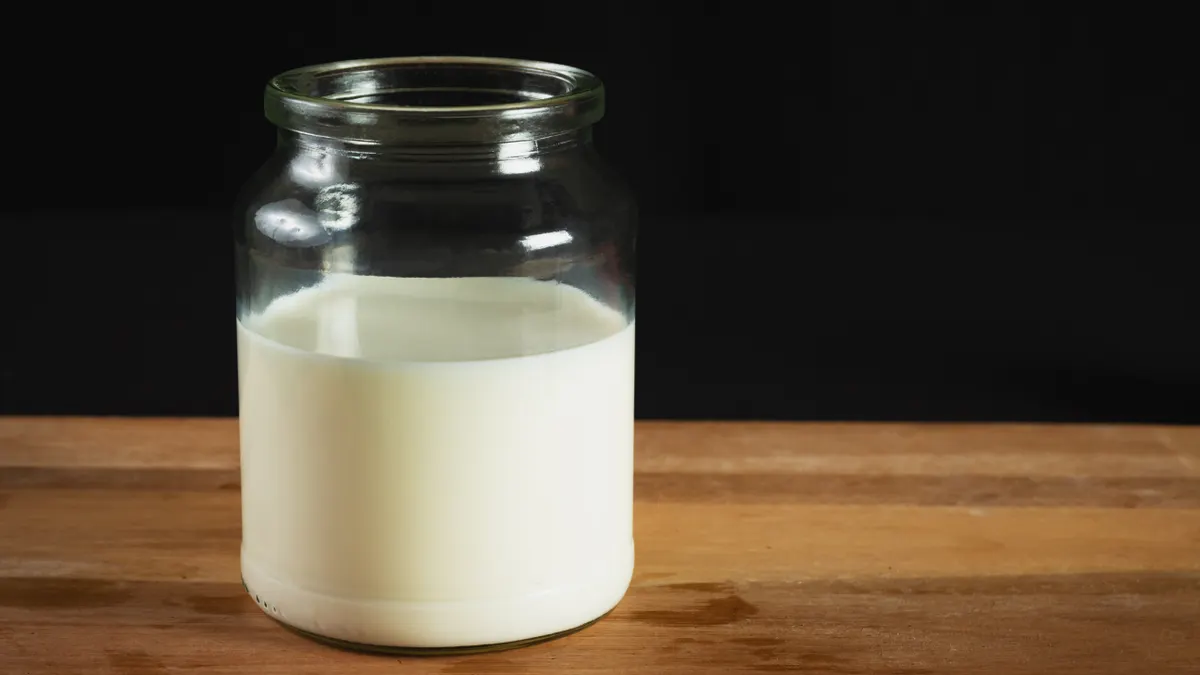
Store breast milk by moving it from pump to container to cold storage as quickly as you can. The basic flow is simple: pump or express milk, pour it into a clean storage bottle or breast milk storage bag, label it, then place it in the refrigerator or freezer without letting it sit out for long.
Start with a clean container made for milk storage. A hard-sided bottle with a tight lid works well for short-term refrigeration, while a breast milk storage bag is useful when freezer space matters. The container should be food-safe, closed tightly, and able to stand up to cold without cracking or leaking. Avoid loose cups, unsealed jars, and any container that has not been washed and dried carefully. If you need help choosing storage gear, see the breastfeeding pump guide and baby bottle cleaning tips.
Write the date on the container before the milk disappears into the back of the fridge. If you pump at different times in the same day, add the time too. That small step prevents confusion later and helps you use the oldest milk first. If you are unsure which milk should be used first, consult a lactation consultant or pediatric clinician. The milk in the oldest container should be the first one used, not the one sitting closest to the door.
Place freshly pumped milk in the coldest practical spot. In a refrigerator, that usually means the back of a shelf rather than the door, where temperatures swing more. In a freezer, put the milk where it will stay undisturbed until needed. If the milk is going to travel before it reaches a fridge or freezer, use a cooler bag with ice packs and get it chilled again as soon as possible. The CDC says refrigerated breast milk should be kept at 40°F (4°C) or colder, and frozen milk should stay frozen at 0°F (-18°C) or colder. CDC
The one thing to avoid is letting milk drift between warm and cold places. Each extra warm spell raises the chance of spoilage. Treat the clock seriously from the moment the milk leaves the breast or pump, and follow professional guidance if you are trying to manage a long day away from home.
What container should I use for breast milk storage?
Use a clean, food-grade bottle or breast milk storage bag that seals tightly and is meant for milk. That choice matters because breast milk expands as it freezes, and the wrong container can leak, split, or waste milk.
For the refrigerator, rigid bottles are convenient because they stand upright, are less likely to spill, and are easier to stack. Glass or hard plastic milk storage bottles with secure lids are practical if you plan to use the milk soon, but if you are unsure, ask a lactation consultant which option fits your routine. For the freezer, a breast milk storage bag often makes more sense because it lies flat, takes up less space, and can be stacked once frozen. Flat bags also thaw more evenly than a thick block frozen in a large bottle.
Leave a little space at the top of the container if the milk is going into the freezer. Liquid expands when frozen, and a full container can crack, bulge, or push the lid open. The exact amount of headroom does not need to be dramatic; just do not fill every container to the brim.
Do not mix warm, freshly pumped milk with already frozen milk in the same bag or bottle. Warm milk can partially thaw the cold milk around it, and that raises handling problems. If you want to combine milk from more than one pumping session, cool the newer milk in the refrigerator first, then combine it with milk that is already cold. Even then, use the oldest date on the container.
A plain kitchen container is not a substitute. Ice cube trays, open mugs, and reused food containers can invite leaks, odors, and awkward freezing shapes. A purpose-made storage bag or bottle costs a little more than whatever is in the cupboard, but the trade-off is fewer spills and easier organization.
How to label breast milk so you use the oldest milk first
Label breast milk with the date, and add the time if you pump more than once in a day. That is the simplest way to keep storage organized and avoid guessing later.
Use a waterproof marker that will stay readable in the fridge and freezer. Write directly on the storage bag or on a freezer-safe label stuck to the bottle. If you are using several batches in one day, include the time, such as morning, afternoon, or the exact pumping time. This matters when you are rotating milk and trying to use the oldest batch first.
Put the label where you can still read it after stacking. On a bag, write near the top after you have squeezed out extra air and sealed it. On a bottle, label the side rather than the lid, because lids can get swapped or moved. If the bag will be frozen flat, keep the writing high enough to remain visible even when the milk is lying down.
Labeling also helps if someone else feeds the baby. A caregiver should not have to guess which milk was pumped first or which one belongs in the fridge instead of the freezer. If milk is prepared for day care or another caregiver’s home, clear labeling keeps the right milk moving first.
A common mistake is labeling only the day and not the month. That can be confusing once several batches are in the freezer. Another mistake is writing with a pen that smears when cold. A freezer-safe marker solves both problems.
How cold should the fridge and freezer be for breast milk?
Keep breast milk in the coldest part of the fridge and in a freezer that stays consistently frozen. The milk is only as safe as the storage unit around it.
A refrigerator is best for milk you expect to use soon. Put the milk at the back, not the door, because the door gets warmed every time it opens. If your fridge has shelves with different temperatures, choose the shelf that stays coldest and most stable. If you know your fridge tends to run warm or is crowded, be stricter about using the oldest milk first and moving quickly when you open the door. A thermometer helps here: 40°F (4°C) is the target for the fridge.
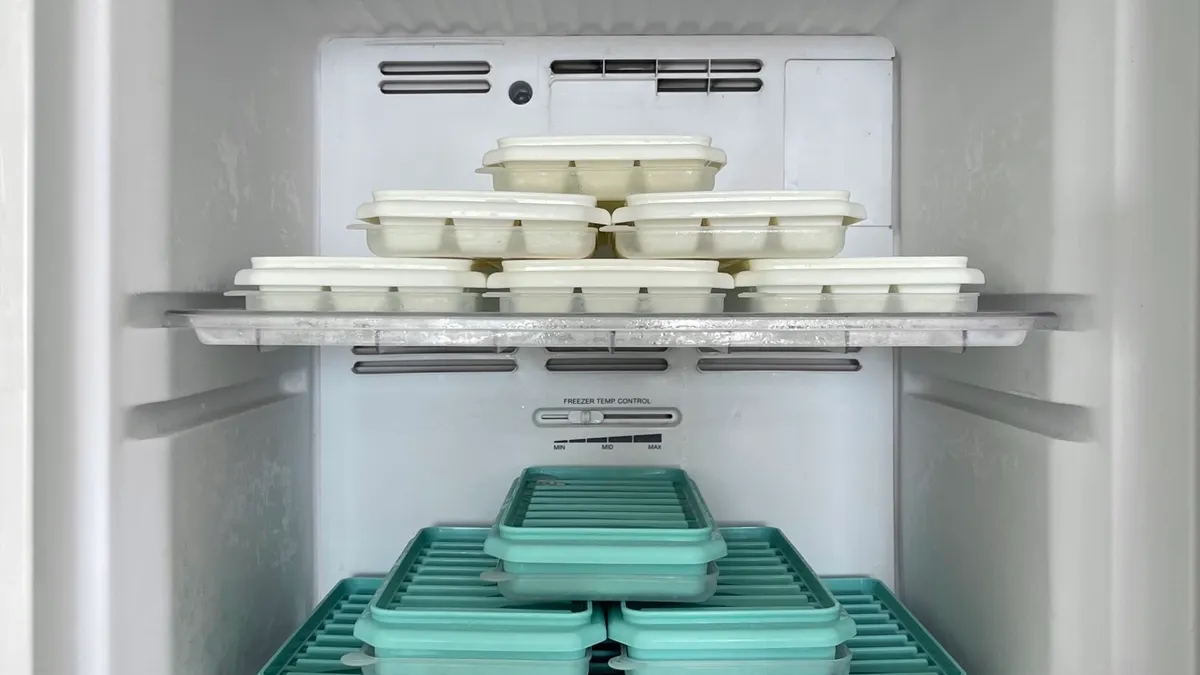
For the freezer, consistency matters more than location. A freezer that is packed tightly and opened often may be less stable than one with a better seal or less traffic. A deep freezer usually offers more reliable cold storage than a fridge-freezer combination, but any freezer that keeps milk fully frozen and untouched is more useful than a more expensive one that is constantly thawing at the edges. The CDC recommends 0°F (-18°C) for frozen breast milk. CDC
A cooler bag is for transport, not long-term storage. It buys time on the way from pump to home, office, or caregiver, but it should not become the permanent storage method. Once you get home, move the milk into the fridge or freezer right away.
If a fridge has been opened repeatedly during the day, do not assume every shelf is equally cold. Milk kept in the door may warm more often than milk kept at the back. That extra warming is the sort of hidden problem that creates waste without anyone noticing.
For a broader feeding-and-pumping plan, the milk supply hub and pumping schedule guide can sit beside this guide, but the storage rules here should stay separate from pumping schedules or equipment choices.
How do I freeze breast milk without wasting space?
Freeze breast milk flat in small amounts, then stack the bags or bottles once solid. That saves room and makes later thawing easier.
Choose a freezer-safe storage bag or bottle and pour in the amount your baby usually takes in one feeding, or a little less if you want flexibility. Seal the container tightly, press out excess air from a bag, and lay it flat in the freezer until frozen. A flat layer freezes faster and fits neatly beside other bags, which matters if your freezer is already full of food.
If you use bottles, leave room at the top for expansion. If you use bags, place them upright in a shallow bin or tray until they freeze enough to stand on their own. Then organize them by date. The oldest milk should remain easiest to reach.
Use bins, boxes, or freezer organizers to separate current milk from older milk. One bin for this week and another for older stock is often enough. The point is not fancy system design; it is making the oldest milk visible so it gets used first. A hidden bag in the back of the freezer is milk that may be forgotten.
Do not overfill the freezer with warm containers. If you load in too many at once, they can slow each other’s freezing and keep the freezer temperature from recovering quickly. Freezing smaller batches works better than trying to freeze a huge amount in one round.
This approach is not ideal if you need milk ready in rigid single-serving bottles right away. Flat bags are efficient, but they require more planning when it is time to thaw and transfer.
What mistakes ruin breast milk storage?
The biggest storage mistakes are using the wrong container, leaving milk unlabeled, and letting milk sit too long at room temperature before chilling. Each one creates a different kind of loss: spoilage, confusion, or unnecessary waste.
Using a loose or unsealed container can leak milk in the fridge or freezer. That costs milk and creates a cleanup job. Use a bag or bottle made for breast milk and close it tightly every time.
Labeling too little is a fast route to waste. If several containers look the same, the newest milk may get used first while older milk ages out. Date every container before it goes cold.
Letting milk sit in a diaper bag, car seat pocket, or countertop while you finish other tasks is another common error. Once the milk has cooled, move it to a refrigerator, freezer, or cooler bag as soon as practical. Warm milk left out too long is the kind of mistake that cannot be fixed later.
Stacking milk in the refrigerator door is a quieter problem. It feels convenient, but it exposes milk to temperature swings each time the fridge opens. Use the back of the shelf instead.
Another mistake is mixing warm milk into cold milk in the freezer. That can partially thaw frozen milk and damage the storage plan. Cool new milk first, then combine it only when both batches are cold.
The one limitation worth saying plainly: storage guidance does not replace judgment if milk smells, looks off, or has been handled in a questionable way. If something seems wrong, consult a pediatric clinician or lactation consultant rather than trying to rescue it by freezing it.
How to thaw frozen breast milk safely
Thaw frozen breast milk in the refrigerator, under cool running water, or in a container of warm water, and use it soon after thawing. That protects the milk’s quality and keeps handling simple.
The gentlest method is moving a frozen bag or bottle from the freezer to the refrigerator and letting it thaw there. This takes planning, but it keeps the milk cold as it thaws. If you need milk sooner, hold the sealed container under cool running water first, then move to warmer water as it softens. Keep the container sealed so the milk does not pick up water.
Once thawed, swirl the milk gently to mix the separated layers. Do not shake it hard. Milk often separates naturally during storage, and gentle swirling is enough to bring it back together.
Do not thaw breast milk on the counter if you can avoid it. Room temperature is the wrong place for a slow thaw because the outer layer warms before the center does. Do not microwave it either. Microwaves create uneven hot spots and can make the milk harder to use safely.
Thawed milk should not be returned to the freezer. Once it has been thawed, plan to use it rather than re-store it. If you have more than you need, keep the amount small next time so less milk is caught in the thawing cycle.
For a full warming process, the warming guide belongs on a different page. Here, the goal is simply to get milk from frozen to usable without creating unsafe temperature swings.
How long does breast milk last in the fridge?
Freshly expressed breast milk can usually stay in the refrigerator for a short period, but the exact window depends on storage conditions and the guidance you follow. The safest approach is to chill it promptly, keep it in the coldest part of the fridge, and use the oldest milk first. CDC says refrigerated breast milk is best used within 4 days, and if you need a specific time window for your baby, ask a pediatric clinician or lactation consultant. CDC
How do you thaw frozen breast milk?
Thaw frozen breast milk in the refrigerator, under cool running water, or in a bowl of warm water. Do not thaw it on the counter or in a microwave. Once it is thawed, swirl it gently and use it soon rather than freezing it again.
Can breast milk be refrozen?
Breast milk that has fully thawed should not be refrozen. Refreezing changes quality and complicates safe handling, so the better plan is to thaw only the amount you expect to use. If a bag is only partly thawed and still has ice crystals, follow professional guidance before deciding what to do next.
Drafted with AI; not yet reviewed by a person.