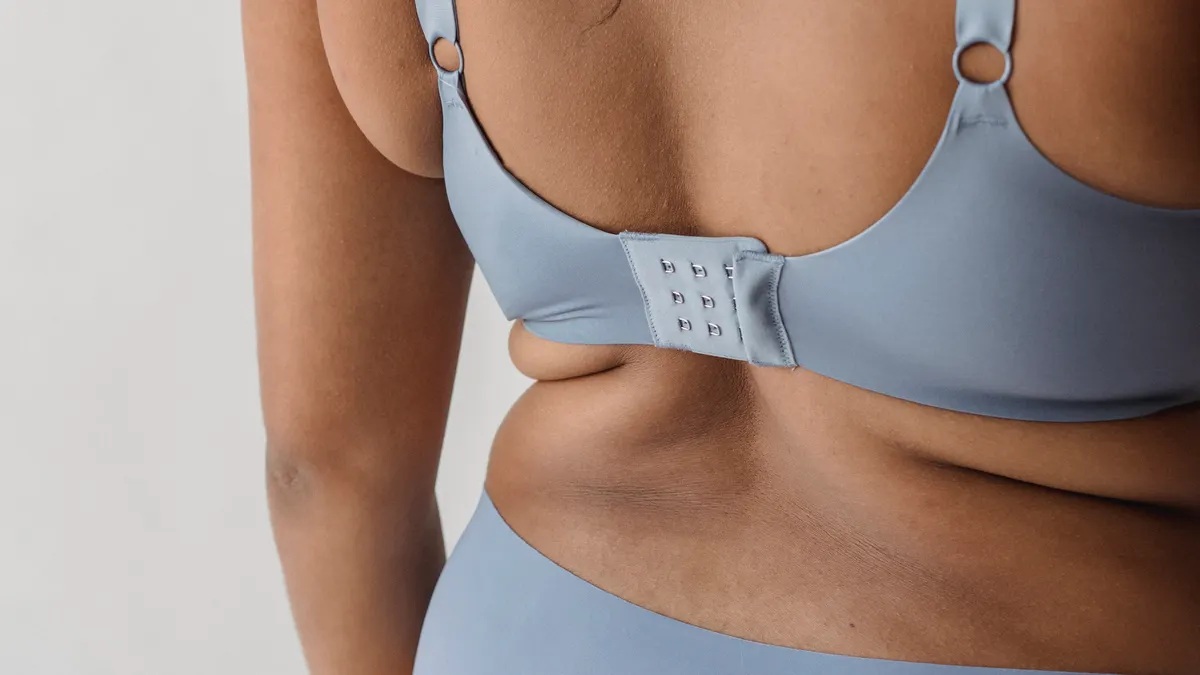
Last updated: November 18, 2026
Quick answer: the fit usually works best when the flange is centered, the milk collection cup is sealed, and the bra holds the pump snugly without crushing it. For How to fit and wear a wearable breast pump, those three pieces line up first. When they do, the pump stays put, milk flows into the cup, and leaks usually drop.
Key takeaways
- Fit starts with the bra, not the pump. A snug, supportive bra keeps the pump level and helps the flange stay centered.
- The flange opening should sit around the nipple, not press hard into it. Pinching, rubbing, or whitening skin usually means the fit is off.
- A wearable pump needs to sit flat against the breast so the milk collection cup can catch milk without gaps.
- Movement is possible, but the more you bend, twist, or lie down, the more likely milk is to shift toward the seal.
- Comfort and suction should feel firm, not painful. Stronger suction is not always better if it leads to slipping or soreness.
What you need before you put on a wearable breast pump
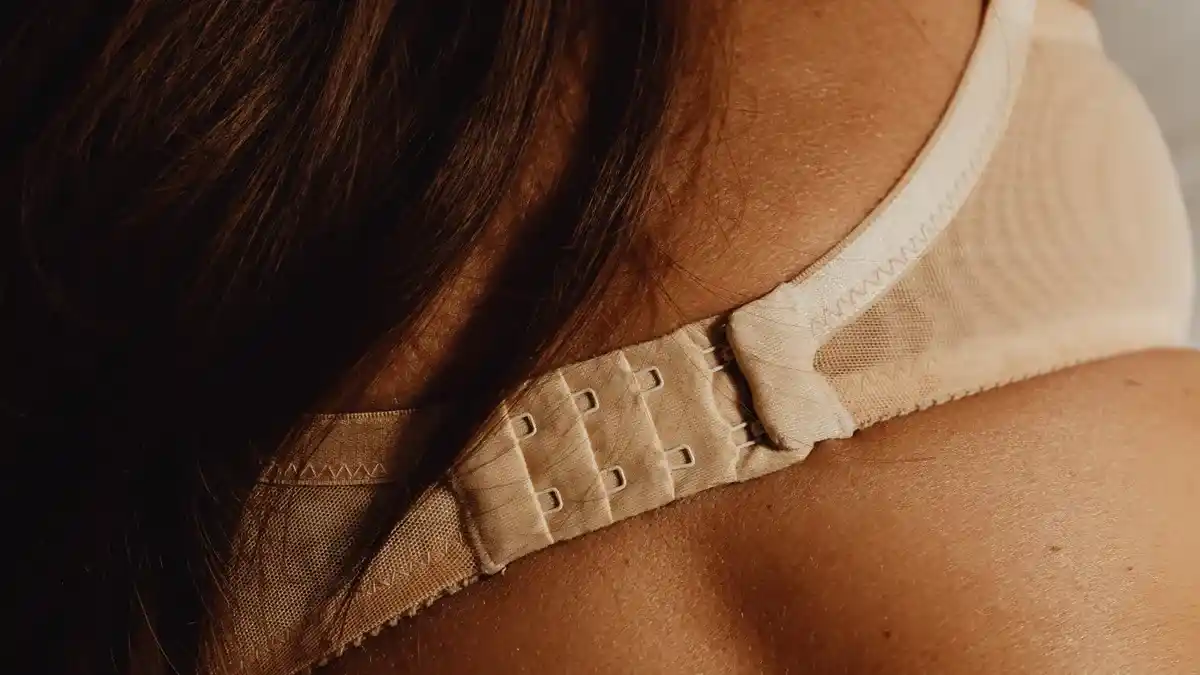
A wearable breast pump needs three things before it goes on: the pump parts assembled correctly, a bra that holds the unit, and enough time to position it carefully. Most wearable systems include the pump body, milk collection cup, flange, and a backing or insert that locks the pieces together. If you are missing a flange size that fits, the rest of the setup can keep failing.
Start with a clean, dry set of parts and a bra that fits close to the body. A loose lounge bra or deep V style usually lets the pump sag, which tilts the milk collection cup and makes leaks more likely. A firm nursing bra or pumping bra with a stable front panel is usually easier to work with than a stretchy one that shifts as you move. For a broader setup checklist, see the pumping guide and the breast care basics.
It also helps to know the basic fit targets before you begin. The flange should surround the nipple without pressing the areola hard into the tunnel. The pump body should sit flush against the breast. The cup should rest upright, not angled outward. Those three cues matter more than the brand name printed on the shell.
If the pump feels awkward the first time, that is normal. Many people need 1 to 2 uses to learn how much bra tension and suction their body tolerates. If you are unsure about flange size or ongoing pain, consult a lactation consultant or clinician before pushing through. This page covers fit, movement, and leak prevention; for broader context on pump setup, the hub on breastfeeding and pumping is the better place to start.
How do you wear a wearable breast pump?
You wear a wearable breast pump by placing the flange centered over the nipple, seating the cup flat against the breast, and using a bra that keeps the pump from slipping. The order matters, because a pump that is even slightly off-center can leak or lose suction within minutes.
-
Put on the bra first and fasten it at the snug setting you can tolerate.
The bra should hold the pump body close to the chest without flattening the breast tissue so much that the flange cannot sit straight. A fit that is too loose lets the pump wobble when you walk. -
Assemble the flange, milk collection cup, and pump body exactly as directed by the model.
The parts should click, twist, or lock into place with no visible gap. If the seam is open, milk can pool in the wrong section or escape at the edge. -
Center the flange so the nipple sits in the tunnel, not against one side.
You should see the nipple aligned in the opening rather than pulled sideways. If the nipple rubs the rim, the fit is too small or the pump is sitting crooked. -
Press the pump flat against the breast and secure it in the bra.
If you are unsure about pressure or skin changes, check with a lactation consultant or clinician before tightening further. A correct fit feels supported all the way around the cup. If one side lifts away, the seal is weak and suction will drop. For a side-by-side look at support styles, see the bra fit guide. -
Turn the pump on at the lowest comfortable suction.
The first few seconds should feel like a firm tug, not a pinch. If the suction causes the pump to shift, lower the setting or reposition the flange. -
Check the first milk flow after 30 to 60 seconds.
You should see milk enter the collection cup and stay inside the lower chamber. If it sprays, backs up, or pools near the seal, stop and adjust before continuing. -
Recheck the fit after the first few minutes and after any major movement.
A good setup stays stable when you stand up, take a few steps, or lean forward slightly. If you have to keep holding the unit in place, the bra or flange is not doing enough of the work.
The most common mistake is trying to make the bra do all the work. A bra can support the pump, but it cannot correct a poor flange fit. If the flange size is wrong, even a very good bra may not stop leaks or rubbing.
How should a wearable breast pump fit in the bra?
A wearable breast pump should fit inside the bra with enough compression to stay upright and enough room to keep the flange aligned. The pump should not feel jammed into the cup, and it should not hang loose enough to tip when you lean 10 to 15 degrees forward.
The bra is doing two jobs here. First, it holds the pump body so the flange stays centered. Second, it helps maintain a seal between the flange and breast tissue. That means a bra that is too soft, too stretchy, or too low-cut often creates problems even if the pump itself is assembled correctly.
Look for these signs of a good bra fit:
- The pump sits flat, not tilted.
- The nipple remains centered in the flange after you move your arms.
- The cup edge does not cut into the breast.
- The bra band does not ride up when the pump gets heavier with milk.
A poorly fitting bra costs you in two ways. It can leak milk, and it can also make the pump feel harsher than it is. A cup that slips even a few millimeters changes the angle of suction and can turn a tolerable setting into a painful one. If you need to tug the bra back into place every few minutes, the fit is too loose.
There is one trade-off worth saying plainly: a tighter bra may stabilize the pump better, but too much compression can flatten the breast and make the flange tunnel pinch. For many people, the sweet spot is a bra that feels secure at rest and still expands slightly when the breast fills during a session, but if you are unsure, ask a lactation consultant or clinician to check the fit. If the bra has removable pads, those often need to come out because padding can create a gap between the flange and the skin. For more on support, see the supportive nursing bras page.
How to keep a wearable breast pump from leaking
You keep a wearable breast pump from leaking by sealing the parts fully, keeping the cup upright, and stopping the flange from shifting during movement. Most leaks come from fit problems, not from the pump being “bad.”
Start with the simplest cause: the cup or bottle section may not be locked together completely. Even a tiny misalignment can let milk escape at the seam. Check the rim, gasket, and vent points before you begin each session. If your model uses a silicone insert or valve, inspect that piece closely because a folded edge can break the seal.
Next, check body position. Wearable pumps are built to sit in a bra, but they are not immune to gravity. Bending sharply at the waist, lying sideways, or reaching down repeatedly can tilt the milk collection cup and push milk toward the opening. If you need to pick something up, keep the movement small and controlled. A brief forward lean is usually less risky than a deep bend or a twist.
You can also reduce leaks by keeping suction at the lowest setting that still draws milk. Very strong suction may pull the flange off center, especially if the tissue is already compressed. That does not improve output if the seal is failing.
Common leak triggers include:
- A flange that is too large or too small
- Milk collection cup not fully seated
- Bra tension that is uneven on one side
- Moving too much while the cup is filling
- Overfilling the reservoir for that model
Do not ignore a recurring leak just because the pump still “works.” Milk on the outside of the cup can soak the bra, irritate skin, and make it harder to tell whether output is normal. If the same side keeps leaking, compare both breasts carefully; one side may need a different flange size or a slightly different bra adjustment. For a quick troubleshooting list, see the wearable pump troubleshooting page.
Can you move around while using a wearable pump?
You can move around while using a wearable pump, but the safest movement is ordinary standing, walking, and light household motion. A wearable pump is meant to free your hands, not to turn into sports gear.
The useful distinction is between light movement and aggressive movement. Walking across a room, folding laundry, or preparing a bottle usually stays within the pump’s comfort zone. Running, crouching repeatedly, or doing vigorous upper-body work is a different matter. Those movements can shift the pump inside the bra, disturb suction, and push milk toward the seal.
Think about the pump as stable when vertical and vulnerable when tilted. A typical wearable unit can handle some motion because the bra helps hold the cup in place, but it still depends on alignment. If you bend to tie a shoe, the cup may stay on the breast but the milk level inside changes fast. That is when leaks tend to start.
A practical rule is to move in short intervals and check the pump after any movement that changes your torso angle. If you hear a slosh, feel the flange slip, or notice the bra shifting, pause and reset the placement. Many people do better if they keep one hand free for quick checks during the first few minutes of a session.
This is also where honesty matters: a wearable pump is not the right tool for every task. If you need to climb stairs often, lift a child repeatedly, or work in a setting where you cannot stop to readjust, a more stationary setup may be less frustrating. Wearable pumps excel at moderate mobility, not at high-impact activity.
How to make suction comfortable without losing output
You make suction comfortable by starting low, adjusting slowly, and stopping before the flange pinches. Stronger suction is not the goal; a steady milk flow with no pain is the goal.
Begin each session on the lowest setting that still creates a gentle pull. If your model separates stimulation and expression modes, use the manufacturer’s sequence rather than jumping straight to a higher level. A good setting is usually the one that draws milk while the nipple tissue stays centered and unbruised after the session.
Comfort problems usually show up in three ways: pinching at the flange rim, tugging that pulls the nipple sideways, or a dull ache that builds over several minutes. If any of those appear, do not just “push through.” Re-seat the pump first. A flange that is slightly off-center often feels like a suction problem even when the real issue is fit.
A quick comfort check can save the whole session:
- The nipple should move freely in the tunnel.
- The areola should not be pulled deeply into the flange.
- The skin should not blanch or turn white at the rim.
- The suction should feel even, not jerky.
If you need to choose between more suction and less discomfort, choose less discomfort. A painful setup often causes people to shorten sessions or avoid using the pump altogether, which defeats the purpose. Wearable pumps are especially sensitive to this because the bra and pump are already adding pressure to the chest.
A hard limit belongs here: if the pump causes sharp pain, persistent cracking, or bleeding, stop and reassess the fit before using it again. For ongoing breast pain or damage, a lactation consultant or clinician can help check flange size and feeding-related issues. For medical guidance on nursing pain and latch-related irritation, the CDC breastfeeding pages and the National Library of Medicine are useful starting points.
What to check after the session ends
You should check the seal, the milk level, and your skin after every session. Those three checks tell you whether the pump fit was working or merely tolerable.
First, look at the milk collection cup. If milk ended up in places it should not have been, the cup may have tilted or the flange may not have stayed centered. A clean lower chamber and an intact seal are the signs you want to see. If milk climbed into the wrong section, the next session should start with a full refit.
Then look at your skin. Mild temporary marks from a bra or flange can happen, but deep grooves, raw patches, or lingering redness mean something was too tight or too misaligned. Skin that feels hot, tender, or scraped is a warning that the setup needs to change, not that you should simply tolerate it longer.
Finally, note what the session felt like. A workable setup should be repeatable. If one side consistently leaks or one breast consistently hurts, the issue is probably not random. It may be a flange size mismatch, a bra that fits unevenly, or a posture habit that shifts the pump during use.
The safest habit is to treat every session as feedback. A wearable breast pump is meant to adapt to your body, but it only does that well when you pay attention to how it sits, how it moves, and how it feels. When those clues line up, the pump is fitted correctly. When they do not, the next adjustment usually matters more than the next longer session.
Do wearable pumps need a special bra?
A wearable breast pump does not always require a special bra, but it does need a bra that holds the pump firmly and keeps the flange centered. A regular bra that is snug enough can work for some people, especially if the cups are stable and the fabric does not shift. Loose bras, soft bralettes, and low-support styles usually make leaks and slipping more likely.
Can you move around while using a wearable pump?
You can move around while using a wearable pump, as long as the movement is light and controlled. Walking, standing, and doing simple tasks are usually fine. Deep bending, twisting, or repeated crouching can tilt the cup and disturb suction, which raises the chance of leaks or a broken seal.
How do you prevent leaks with a wearable pump?
You prevent leaks by fitting the flange correctly, locking the cup parts together, and keeping the pump upright in a supportive bra. If the pump leaks from the seam or the seal, check assembly first. If it leaks during movement, reduce bending and adjust the bra tension before the next session.
Drafted with AI; not yet reviewed by a person.