Last updated: November 18, 2026
Key Takeaways
- Stay still, release suction safely, and end that feed right away.
- Babies often bite because the feed has changed, not because they mean harm.
- Keep feeds shorter, calmer, and more purposeful to reduce biting.
- Protect sore skin first so the next latch hurts less.
Baby biting or clamping during breastfeeding hurts, and the fix is to end the feed calmly, protect your nipple, and change the pattern before the next latch. You do not need to keep nursing through a bite.
This guide on how to breastfeed when your baby bites shows what to do in the moment, how to reduce repeat bites, and when teething or feeding cues are part of the pattern. According to the NHS and the American Academy of Pediatrics, breastfeeding pain that keeps coming back deserves prompt support if it is severe or persistent.
What to do the second your baby clamps down
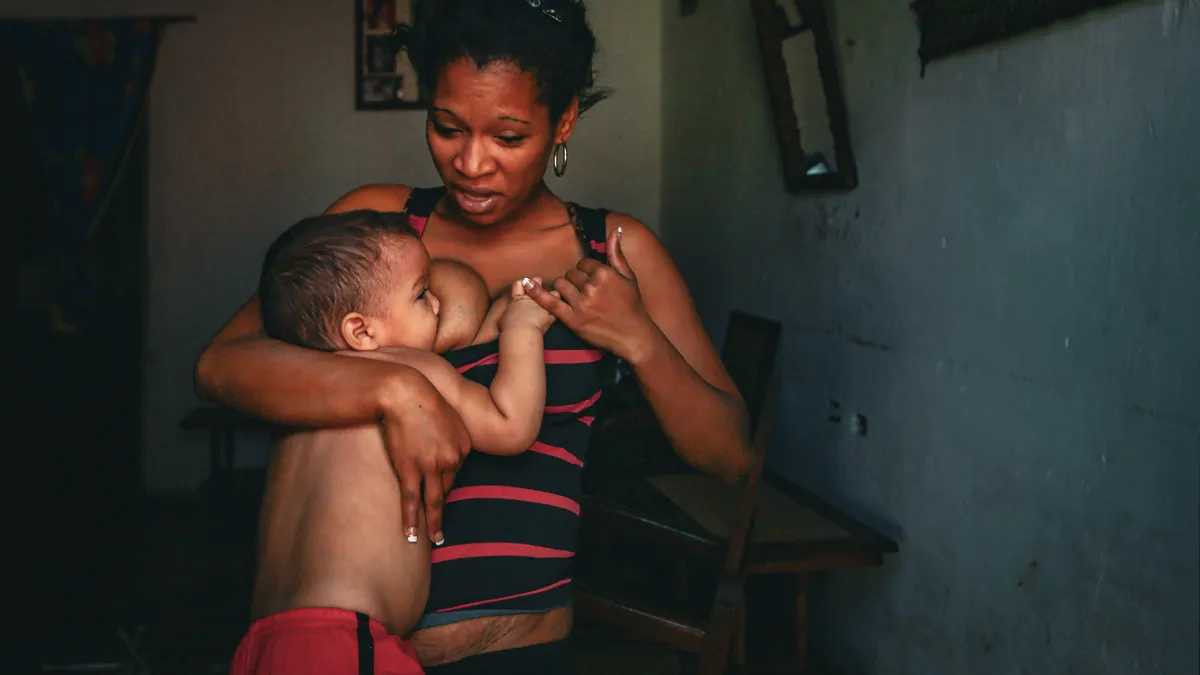
Picture this: you’re mid-feed, your baby’s jaw tightens, and the bite lands hard enough to make you flinch. The right move is stay still, break suction safely, and end the feed for that moment.
Do not yank your breast away. That can tear the nipple and make the bite worse. Instead, press your baby’s body close, slide a clean finger into the corner of the mouth if you need to release suction, and stop the session if the bite has turned into a repeat habit. If your baby is already clamped, a quick pull usually hurts more than the bite itself.
If the pain is intense or the skin is broken, check with a lactation consultant or clinician. ABM Protocol #26 notes that nipple pain can come from several causes, including latch and trauma, and severe pain should not be ignored.
- Freeze for one second. Sudden jerks can deepen the pinch.
- Bring the baby closer, not farther. A close body position makes it easier to release suction without dragging skin.
- Insert a finger at the mouth corner if needed. That breaks the seal without twisting the nipple.
- End that feed. A baby who bites once may bite again if milk flow has slowed or play has started.
- Check your nipple. If there is bleeding, broken skin, or severe pain, take a break and protect the area until the next feed.
A calm, repeatable response teaches the pattern faster than a big reaction. Babies often test the same move more than once.
Why babies bite at the breast
Babies bite because the feed has changed, not because they mean to hurt you. The common triggers are teething, slowing milk flow, distraction, and a baby jaw that is done working.
Picture this: your baby is not actively swallowing anymore. The jaw starts to rest, the tongue stops moving, and then the clamp comes down. That often happens near the end of a feed, when milk flow is lower and the baby is bored, sleepy, or looking around.
Common reasons biting shows up:
- Teething pressure. The gums are sore, and the breast feels like something to chew.
- Fast distraction. A sound, a sibling, a light, or movement can trigger a sudden clamp.
- Milk flow change. Some babies bite when flow slows and they are waiting for more milk.
- End-of-feed play. The mouth may start treating the breast like a toy instead of a meal.
Now, you may be wondering whether biting always means teething. Not always. Teeth can be part of it, but the pattern often starts before a tooth appears and continues after teething peaks. That is why watching feeding cues matters more than staring at gums.
Here’s the catch: if biting happens every feed, the breast itself is usually not the problem. Timing often matters more.
How to prevent biting before it starts

Picture this: you’re watching your baby closely, and the feed goes from active swallowing to lazy nibbling. That is your cue to end the session before the clamp.
The most useful prevention is to catch the moment milk transfer drops. A baby who is still swallowing is less likely to bite than a baby who is hanging on for comfort, looking around, or fussing at the breast. Keep feeds short enough that the baby leaves before boredom turns into a bite.
Use this simple routine:
- Watch for feeding cues that say the meal is winding down: slower jaw motion, long pauses, eyes wandering, hands off the breast.
- Offer the breast when your baby is calm, not already frantic.
- Stay near a quiet room if possible; a busy setting can turn a feed into a distraction game.
- End the feed when sucking changes from active drinking to lazy chewing.
- If your baby is teething, offer a safe teether between feeds so the gums have another thing to chew.
A few details matter. Babies who bite often do it on the second side, at nap time, or when they are nearly done. If you usually get a bite at the end, treat that as a signal to end the feed, and consider checking the pattern with a lactation consultant if it keeps happening. Ending the feed at the right moment can stop the habit from getting rehearsed.
How do I breastfeed when my baby bites without making it worse?
You breastfeed by stopping the bite response from turning into a game and by making each feed shorter, calmer, and more purposeful. That usually means ending the feed after a bite, not after a second bite.
Picture this: you are trying to finish one more letdown, but your baby is no longer drinking. The jaw is resting, the eyes are roaming, and the mouth is ready to clamp again. That is the moment to move from feeding to ending the session.
What usually helps:
- Keep the room quiet for the first few minutes of the feed.
- Offer the breast when your baby is hungry, not half-asleep and bored.
- Switch to the other side only if the baby is still actively feeding.
- If a bite happens, stop the feed right away and give a brief reset.
- Watch for the same time of day or same side, because repeat patterns are easier to prevent than random ones.
Some readers try to “outlast” the bite phase by ignoring it. That can backfire. A baby can learn that biting does not change anything, and the habit sticks. The cleaner response is: bite equals feed ends. Then try again later with a calmer start.
On the flip side, do not turn every feed into a strict battle. If the baby is truly hungry and swallowing well, keep the feeding calm and normal. The goal is not to punish nursing. The goal is to cut off the part that hurts.
Comfort measures for sore nipples after a bite
Picture this: the feed is over, your nipple is tender, and even a shirt brush feels sharp. The first job is reduce friction and protect the skin so the next latch is less painful.
If the skin is intact but sore, let the nipple air dry after feeding, avoid rough fabric, and use a clean, soft bra pad if needed. If the skin is broken, bleeding, or cracked, handle it like a small wound: keep it clean and dry, and watch for worsening redness or heat. A nipple shield is sometimes discussed online, but it is not the first fix for biting; it can also change the latch and hide the pattern.
Useful comfort steps:
- Change breast pads often so moisture does not sit against the skin.
- Let milk dry on the nipple if that feels soothing and does not irritate the skin.
- Use a soft bra with no hard seam over the sore spot.
- Shorten the next feed if your baby starts to fuss and clamp again.
- If pain is severe or the nipple looks infected, get professional help rather than guessing.
The truth is, a bite can leave the nipple more vulnerable to the next latch. That is why comfort care matters even when the bite looked minor. A sore nipple can make you brace, and bracing makes feeding harder.
How to break the biting habit over several feeds
Picture this: the bite keeps showing up at the same time each day, and one quick response is not enough. Breaking the habit means changing the pattern for several feeds, not just one moment.
The habit usually fades when the baby learns that biting ends the meal and does not bring more milk or more attention. That means your response should be consistent. If one feed ends right away and the next feed keeps going after a bite, the pattern gets muddy.
Try this sequence:
- Notice the trigger. Is it the end of the feed, a noisy room, or teething pressure?
- Change the setting. Move to a quieter place, dim the room, or feed earlier in the hunger cycle.
- End the feed after the first bite. Keep the message clear.
- Offer something else to chew later. A safe teether can meet the chewing need away from the breast.
- Watch for improvement over a few days. A habit often loosens when the same response is used every time.
A common mistake is laughing, yelping dramatically, or staying latched while the baby continues to clamp. Big reactions can become part of the game for some babies. Small, boring, consistent responses work better.
This page sits inside the larger breastfeeding problems and troubleshooting hub, but the pattern here is specific: stop the bite, protect the nipple, and shift the feed before the jaw turns playful. If you want related help, see the breastfeeding pain guide, nipple damage and cracks page, and teething and breastfeeding tips.
When to get extra help for nipple biting
Picture this: you have done the same response for several days, and the biting still keeps coming with severe pain or damaged skin. That is the point to get extra help, not to push through blindly.
Get support if the biting is frequent, the nipple stays cracked or bleeding, or feeding has become a fight at most sessions. A lactation consultant or other breastfeeding specialist can look at the feed as a whole and spot timing, positioning, or transfer problems that a quick fix won’t solve. If there is fever, spreading redness, or worsening pain, medical review matters.
Be honest about the trade-off here. Sometimes the bite is a short teething phase. Sometimes it is a feeding pattern that needs more than home troubleshooting. If pain is keeping you from feeding comfortably, the issue deserves attention.
Useful references for this kind of troubleshooting:
- La Leche League International guidance on biting at the breast
- The American Academy of Pediatrics’ breastfeeding resources
- The NHS breastfeeding support pages
FAQ
Why does my baby bite while nursing?
Your baby usually bites because the feed has slowed, the baby is distracted, or the gums are sore from teething. The bite often shows up when swallowing stops and the mouth starts looking for something to do. That does not always mean the latch is the only problem; timing often matters more.
How do I stop biting during breastfeeding?
End the feed the first time your baby bites and keep that response the same each time. Stay calm, break suction safely, and try the next feed in a quieter setting or earlier in the hunger cycle. A clear, boring response works better than a big reaction.
Should I stop feeding if the baby bites?
Yes, stop that feeding moment when your baby bites. The feed does not need to end for the whole day, but the immediate session should end so the baby learns that biting closes the meal. If the nipple is badly damaged or pain is severe, take a break and get help.
Drafted with AI; not yet reviewed by a person.