Last updated: November 28, 2026
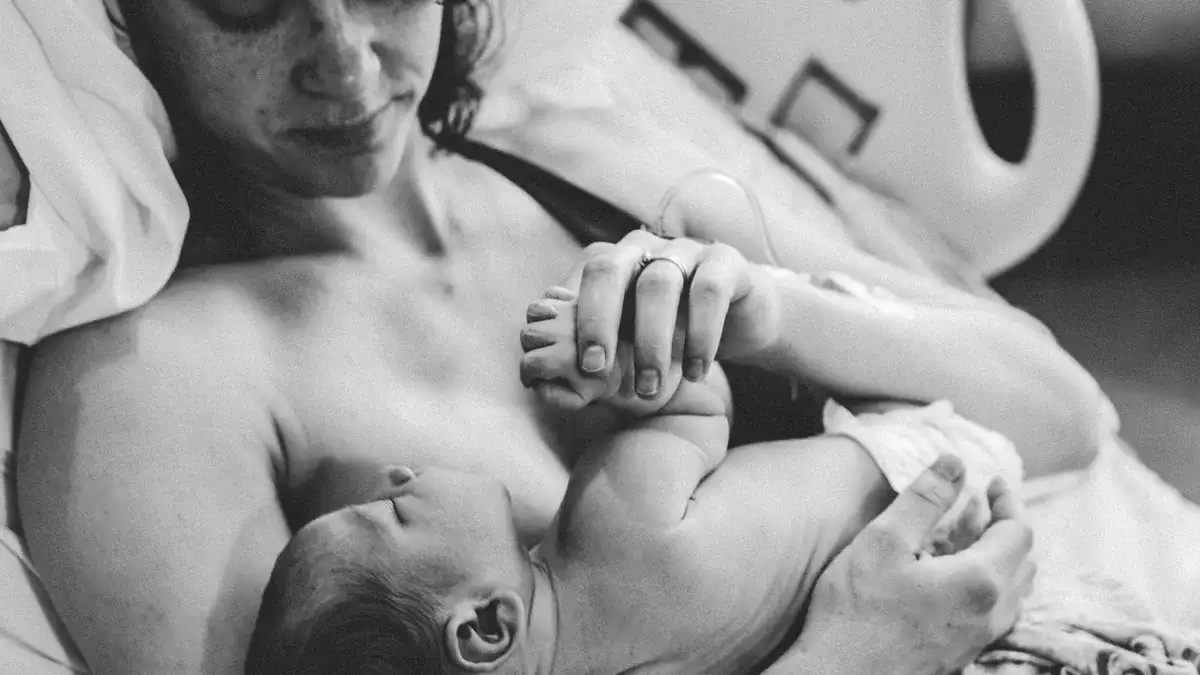
The best breastfeeding positions for a premature baby with low tone are usually the football hold and a well-supported cross-cradle hold. They keep the baby close, support the head and hips, and make it easier to keep the airway open without letting the body sink or twist.
Key takeaways
- Low tone means a premature baby may feel floppy in the arms, so the body needs more external support than a term baby.
- The football hold often works well because it keeps the baby tucked beside the parent and easier to stabilize with pillows.
- A cross-cradle hold can help if the head needs extra control at the breast, but it takes steady hand support.
- The best setup uses pillows, a firm chair back, and the baby’s chest turned toward the breast, not the ceiling.
- If a position makes the baby cough, slip off, or slump for even a minute, it needs adjusting.
Why does low tone change the position choice?
Low tone changes the position choice because the baby has less muscle support for the head, neck, and trunk. A premature baby with low tone can flatten against the breast, tuck the chin too far, or drift away from a stable latch when the body is not braced.
That is why the goal is not just “baby at breast.” The goal is a straight line from ear to shoulder to hip, with the baby’s chest facing the parent’s body and the nose free. A position that would be fine for a bigger, sturdier baby may collapse a small preemie in a few minutes.
This also changes what “comfortable” means. The right hold should let the baby stay organized for 10 to 20 minutes at a time without the parent holding all of the baby’s weight in one hand. If the parent’s shoulder, wrist, or back starts doing the work, the setup needs more pillow support.
For a broader overview of the feeding journey, the hub article on Breastfeeding a Premature Baby sits above this guide and covers the larger picture. This page stays focused on position choice for low tone and stamina.
Which breastfeeding positions work best?
The best breastfeeding positions for a premature baby with low tone are the football hold and the cross-cradle hold, with pillow support under the baby and the parent’s arms. Side-lying can help some families later, but it is usually not the first choice when the baby has low tone and needs more control at the breast.
| Position | Why it helps low tone | Main drawback | Who it is not for |
|---|---|---|---|
| Football hold | Keeps the baby tucked at the side, easy to support head and hips, good for pillow support | Can strain the parent’s elbow or shoulder if the pillows are too low | Parents who cannot sit upright or need both hands free quickly |
| Cross-cradle hold | Gives the most control over head and neck placement at the start | Can feel tiring if the baby is small or the parent holds too tightly | Parents with wrist pain or babies who get overstimulated by close handling |
| Side-lying | Can rest the parent’s arms during longer feeds | Harder to keep the airway open if the baby slumps | Babies with very weak tone or parents who are sleepy |
| Cradle hold | Simple and familiar | Usually gives less control for a low-tone preemie | Small babies who need head and hip support |
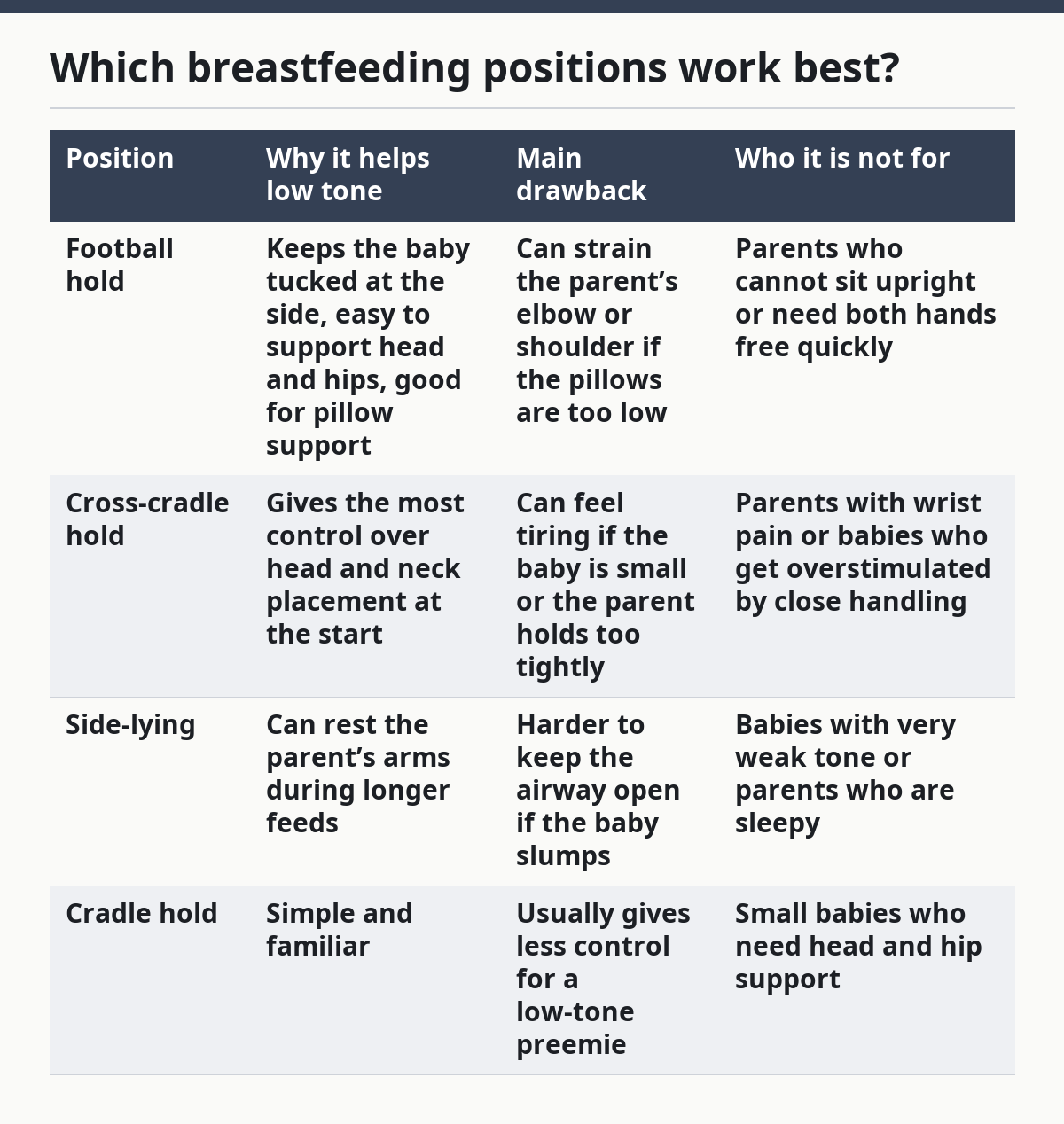
Football hold and cross-cradle hold both work because they let the parent shape the baby’s body before milk transfer starts. That matters more with a premature baby than with a term baby, because the feeding tools are still immature: less stamina, weaker postural control, and a shorter window before the baby tires.
The position that looks “prettiest” is not always the best one. The right hold is the one that keeps the baby square to the breast, with the chin slightly tipped up and the nose clear.
How do I set up the football hold?
The football hold works best when the baby is tucked beside the parent, supported by a firm pillow stack, and lined up from head to hips. This hold often gives the most control for a premature baby with low tone because the parent can see the face and support the body at the same time.
- Sit in a firm chair or on a bed with your back supported and both feet flat. Use 1 or 2 pillows under the baby-side arm so the breast rises toward the baby instead of the baby sinking down.
- Place the baby beside you with the legs tucked under your arm, not behind your back. The baby’s body should point toward you, with the chest facing your ribs.
- Slide the baby close so the head is near the breast and the hips are anchored against your side. This gives the baby a short path to the breast and keeps the body from curling away.
- Support the baby’s shoulders and upper back with your forearm, while the hand controls the neck and head only lightly. The head should stay in line with the body, not bent forward.
- Bring the baby to the breast, not the breast to the baby. A stable pillow setup means less reaching, less twisting, and less pressure on your wrist.
- Watch the space under the chin and around the nose. You want the chin to stay close to the breast with room to breathe, not buried into soft tissue.
The football hold is not ideal if the parent has pain in the side rib area, recent arm strain, or cannot sit upright for the length of a feed. It also takes some practice to arrange the pillows well, so the first few tries may feel awkward. That is normal; the setup usually improves once the arm and pillow height match the baby’s size.
How do I use the cross-cradle hold without losing support?
The cross-cradle hold works best when one hand supports the baby’s neck and shoulders while the other hand brings the breast and baby together. For a low-tone preemie, this hold gives strong control at the start, which can help when the baby needs help staying centered and organized.
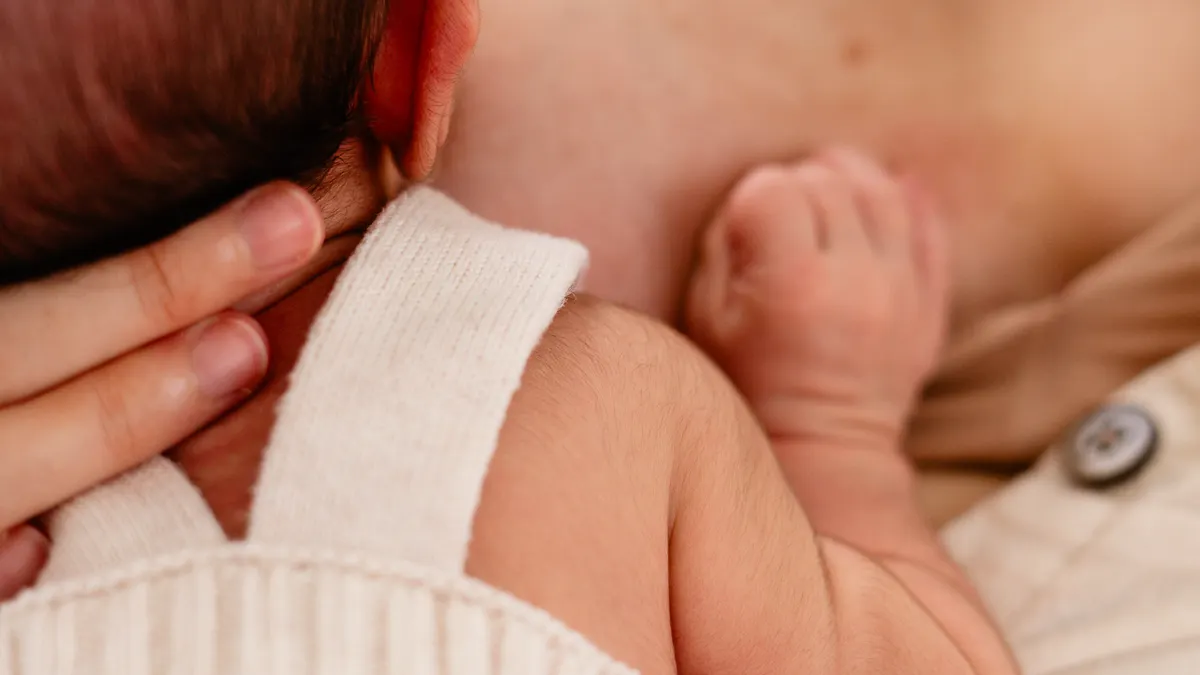
The main rule is to support the shoulders, not just the head. A baby with low tone can seem held but still slump at the chest and waist, and that twist can close off the airway or make the latch unstable. Keep the baby’s body turned fully toward you, with ear, shoulder, and hip in one line.
A simple way to think about this hold is: the hand opposite the nursing breast steadies the baby, and the breast-side arm stays out of the way as much as possible. If the parent has to pinch, lift, and hold the baby up for the entire feed, the position is too high or the pillows are too low.
Cross-cradle is often useful for the first minute or two of a feed. After the baby is settled, some parents switch to more body support from the forearm and less neck control from the hand. That can reduce hand fatigue over a 15-minute feed.
This hold is not the best choice if the parent has wrist pain, if the baby resists close handling, or if the baby gets sleepy the moment the hand pressure increases. In those cases, the football hold usually gives a better mix of support and room to breathe.
What should I support: the head, the hips, or the back?
Support the head, shoulders, and hips together, because a premature baby with low tone needs body support, not head-only support. If only the head is held, the trunk may fold, the chin may tuck down, and the baby may lose the airway line even when the face looks close to the breast.
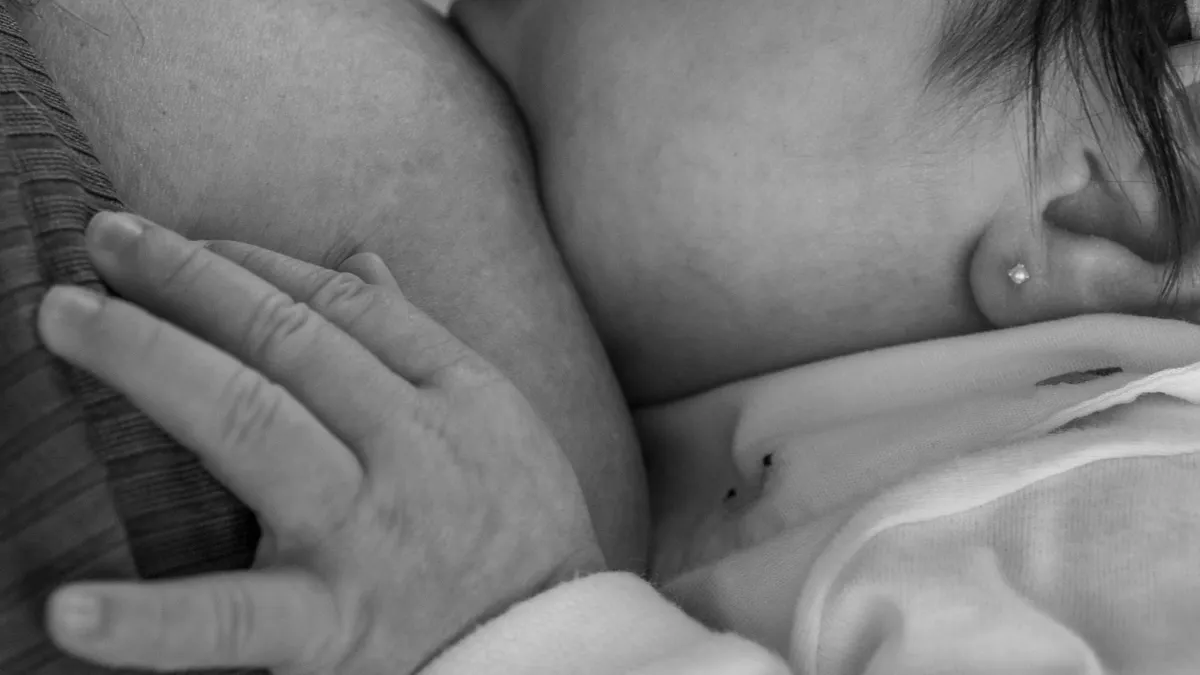
The hips matter more than many parents expect. When the hips are nestled against the parent or a pillow, the baby’s body stays straight and the chest stays open. That lowers the chance of the baby slipping into a curled shape that makes feeding harder.
Think of the baby as a small log, not a loose bundle. The body should move as one unit when you bring it to the breast. If the head comes one way, the shoulders another way, and the hips hang off a pillow, the feed becomes harder to maintain.
A good quick check takes about 5 seconds: look at the ear, shoulder, and hip line; check that the nose is not pressed in; and see whether the chin stays lightly tipped up. If any part of the body is bent sharply, reset before milk flow starts.
What mistakes make feeding harder?
The most common mistake is letting the baby slump into the breast. That can block the nose, make the chin collapse, and tire a low-tone baby fast. The fix is to bring the baby higher with pillows and keep the chest facing you.
Another mistake is holding the head too tightly. A premature baby may need support, but the head should not be pinned. Too much hand pressure can twist the neck and make the baby resist or fatigue within a few minutes.
A third mistake is choosing a position that suits the parent’s comfort but not the baby’s tone. A cradle hold can feel easy for the adult, yet a small preemie may not have enough trunk control for it. If the baby keeps slipping, the problem is usually the setup, not the baby’s effort.
A final mistake is waiting until the baby is already exhausted. Low-tone preemies often do best when feeds begin at early feeding cues, not after they are fully worn out. Once a baby is limp, fussy, or deeply sleepy, even the best position may not hold well.
Can I breastfeed a premature baby lying down?
Yes, but side-lying is usually better later, after the baby can stay organized and the parent can keep the airway clear without much effort. It can be useful for rest, especially during a long night, but it is not the first position I would choose for a very small preemie with low tone.
The trade-off is control. Side-lying can ease the parent’s body, yet it can also make it harder to see whether the baby’s chin has sunk or the nose is blocked. For that reason, many families start with football hold or cross-cradle hold and save side-lying for times when the baby is more stable.
If side-lying is used, the baby still needs to be on the side, tummy toward the parent, with the head slightly extended and the body supported so it does not roll back. If the baby tends to slide flat or curl in, it is not the right time for this position.
For more on the wider feeding picture, the American Academy of Pediatrics and La Leche League International both publish parent-facing guidance on premature feeding and breastfeeding support. Those sources are useful when the question moves beyond position and into medical feeding progress.
Which position is best for a small preemie?
The football hold is often the best starting point for a small preemie because it gives the most control over the baby’s body line and airway. The baby can stay tucked against the parent’s side, and pillow support can take some of the weight off the parent’s arms.
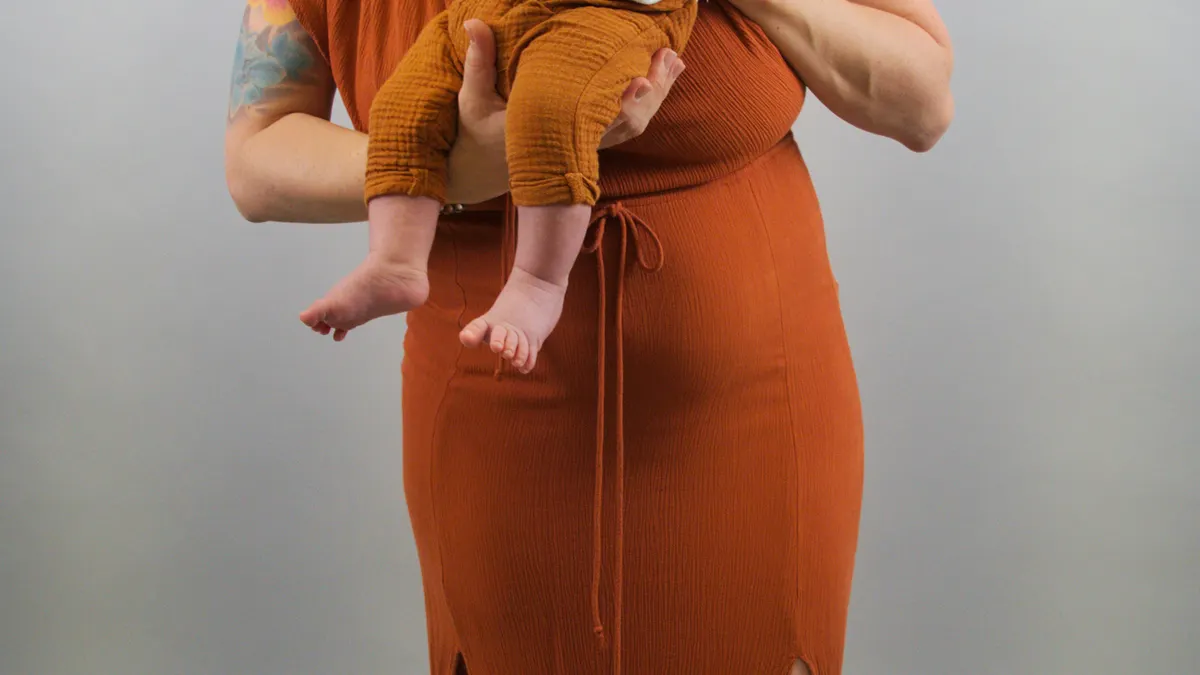
That does not mean it is the only good option. If the baby does better with firm head control at the beginning of a feed, the cross-cradle hold may work better for that session. The best position is the one that keeps the baby steady for the longest stretch without slumping.
Can I breastfeed a premature baby lying down?
Yes, but it is usually a later option rather than the first one for a baby with low tone. Side-lying can rest the parent’s body during a feed, yet it can make airway checks harder if the baby is very small or still floppy.
If the baby rolls back, tucks the chin, or falls flat within a minute or two, side-lying is not a good match yet. A more upright, better-supported hold usually gives more control until the baby gains stamina.
How do I support my baby’s body at the breast?
Support the baby from shoulders to hips, not just the head, and keep the chest facing your body. A pillow under the baby’s side and forearm support under the back can stop the body from sagging and help the airway stay open.
If the baby’s ear, shoulder, and hip are not in line, the body is twisting. That twist often makes feeding harder within 10 to 15 minutes, so reset early instead of waiting for the baby to slide farther.
Drafted with AI; not yet reviewed by a person.